When should you put your Brentwood home on the market? If you want strong buyer interest and a smooth sale, timing matters. Brentwood’s demand stays healthy year-round, but the calendar still shapes how quickly you sell and the kind of offers you get. In this guide, you’ll learn the strongest months to list, how the school calendar and local habits affect activity, the best days to go live, and a practical prep timeline to hit the market ready. Let’s dive in.
Quick answer
Spring is generally the sweet spot. In Brentwood, the April to June window typically brings the most buyer traffic and competitive offers, especially for family-focused homes. A secondary window often appears in September and October. Late November through February is usually slower, though serious buyers are still in the mix and competition can be lighter. Luxury listings often benefit from longer lead times and a more flexible calendar.
Why seasonality matters in Brentwood
School calendar and family moves
Many Brentwood buyers plan moves around the K–12 calendar so they can settle before the new school year. That makes late spring listing dates attractive for families who want to close in early to mid-summer. Even if your buyer is relocating from another city, the academic calendar still influences timing for many households.
Relocation and commuting patterns
Proximity to Nashville employers keeps Brentwood on the short list for relocating professionals. Corporate moves commonly align with fiscal or academic schedules, which concentrates buyer activity in spring and early fall. That steady inflow of transfers supports demand even when other suburban markets slow.
Curb appeal and weather
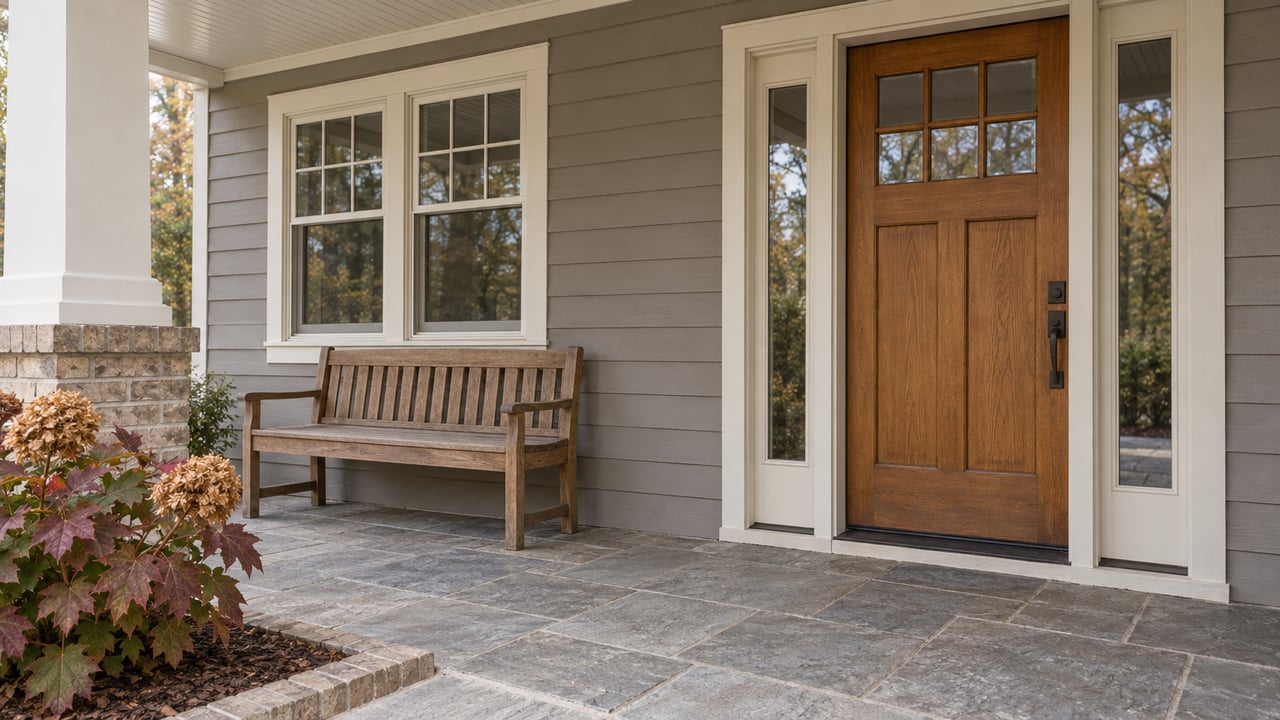
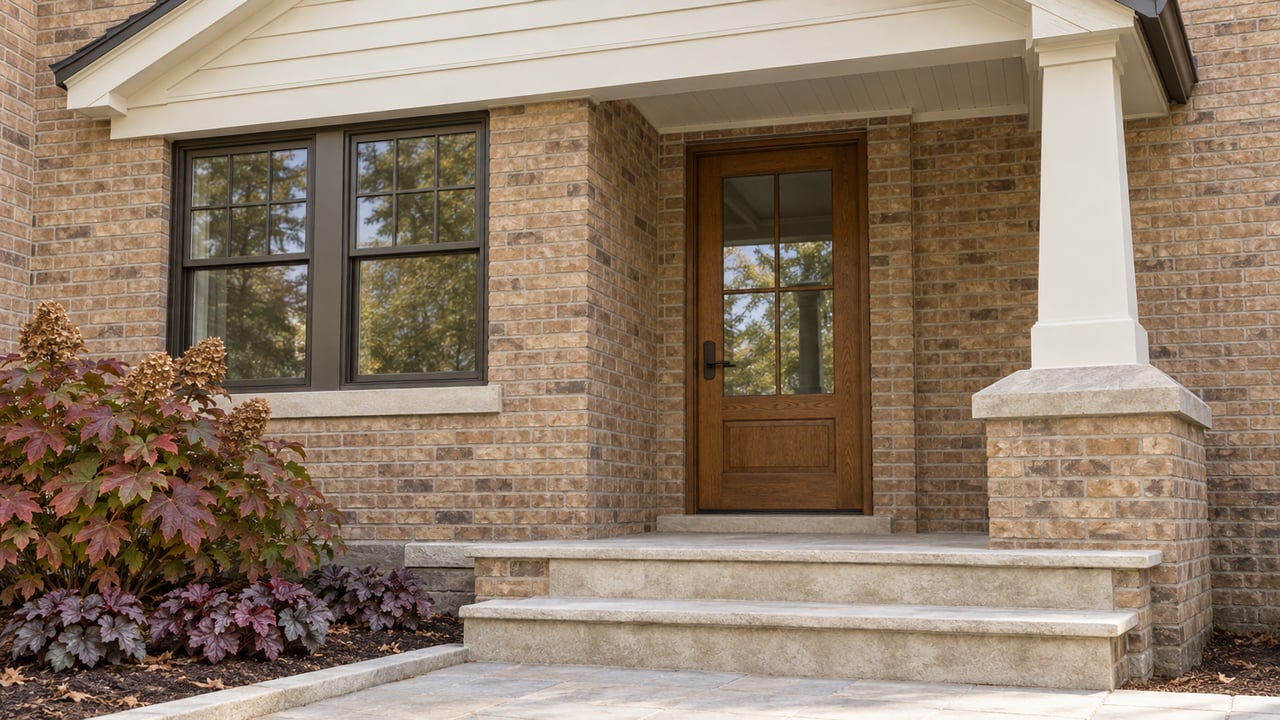
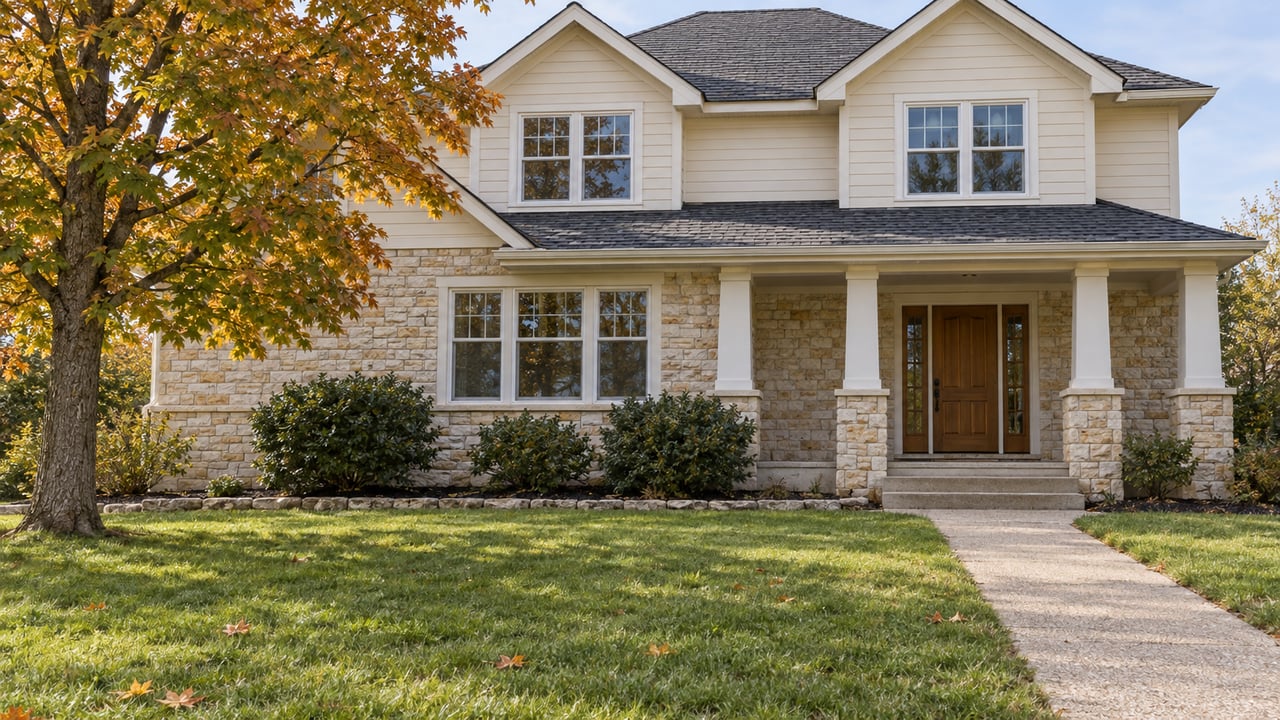
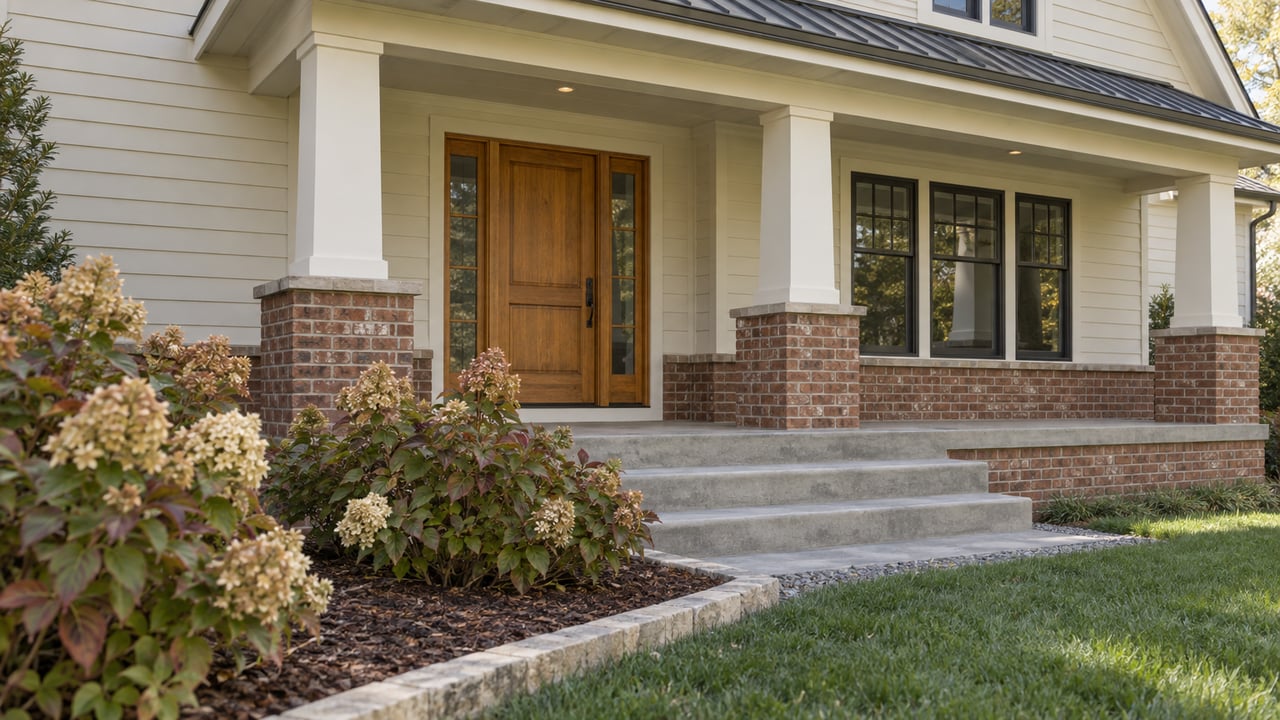
Tennessee springs bring milder weather and fresh landscaping, which helps your photos pop and invites more showings. Summer heat can depress midday showings, so buyers often tour in the evenings and on weekends. Good exterior presentation is easier to achieve in spring and early fall than during winter dormancy.
Best months and weeks to list
April through June: Prime window
If your goal is to sell efficiently and attract competitive interest, aim for early to mid-spring. Many local sellers target April, May, or June to meet summer move-ins and school timelines. This period often sees more listings and more motivated buyers, which can create healthy competition.
September and October: Second chance surge
Early fall can be a strong alternative. You can capture buyers who paused summer searches or are arriving for fall relocations. Weather is pleasant, and yards still show well.
Late November to February: Strategy over speed
Holiday travel and winter weather can reduce showings. That said, buyers active in winter tend to be serious, and your listing may face less competition. With thoughtful pricing and standout presentation, you can still secure a solid outcome.
Best day to go live
A common practice is to list mid-week, often Thursday, so your home is fresh for weekend showings and open houses. This approach aligns with buyer habits and can help maximize early momentum.
Selling now vs. waiting for spring
If a move is on the horizon, you do not have to wait for April to succeed. Focus on what you can control:
- Price to the most recent comparable sales in your micro-market.
- Elevate presentation with professional photography, staging, and exterior refreshes.
- Time your launch mid-week and be flexible with showing windows.
Spring can offer a larger buyer pool, but strong marketing and smart pricing can overcome seasonal headwinds at any time of year.
Luxury listings and special cases
Brentwood’s upper-tier homes appeal to a smaller, more discerning buyer pool that is less tied to the school calendar. Expect a longer marketing runway and plan for 60 to 120 days of exposure depending on the price band and uniqueness of the property. For very high-end or custom homes, focus on timing around buyer availability, construction schedules, and relocation cycles rather than a single month on the calendar.
A practical 4- to 8-week prep timeline
Use this as a starting point and tailor to your home’s needs.
Weeks 6-8: Plan and repair
- Complete major repairs and maintenance items.
- Consider a pre-listing inspection if you want fewer surprises.
- Declutter and begin light storage or donation.
- Refresh landscaping and hardscape for curb appeal.
- Hire your listing agent and align on marketing goals.
Weeks 2-4: Polish and position
- Schedule professional photography and video.
- Implement staging or light updates that make rooms feel larger and brighter.
- Finalize pricing strategy based on the latest local comps.
- Prepare disclosures and property data for buyers.
Launch week: Maximize first impressions
- List mid-week to capture weekend traffic.
- Promote open house windows and private showings.
- Monitor inquiries and adjust showing blocks for peak availability.
Under contract: Plan your move
- Typical closings run about 30 to 45 days from contract to settlement, depending on the lender and title timeline.
- Coordinate movers, utility transfers, and any agreed repairs early.
Smart pricing and market entry
- Decide your primary goal. If you want maximum price and minimal time on market, a spring launch with competitive pricing is often best.
- Calibrate to current comps. Use the most recent 30 to 90 days of sales in your micro-market to guide list price and expectations.
- Know your competition. If inventory is high in your price band, consider a sharper price or standout marketing to differentiate.
- Optimize your first seven days. Early momentum matters. Make sure your home shows its best from day one.
What could affect timing this year
- Mortgage rates. Rate shifts can expand or shrink buyer budgets, which affects urgency and demand. If rates dip, buyer activity often increases.
- Local events and roadwork. Major events or construction near your street can affect showings. Check city calendars when choosing open house dates.
- HOA and tax logistics. Coordinate timing for HOA fees, approvals, and property tax prorations with your agent and closing team.
Micro-market matters in Brentwood
Not all Brentwood neighborhoods move at the same pace. Lot sizes, age of homes, amenities, and price tiers vary widely. Starter and move-up homes often see faster movement during spring and fall, while luxury estates benefit from tailored marketing and a longer exposure period. Align your strategy with:
- Months of inventory and median days on market for your neighborhood.
- Closed and pending sales in your price range over the last 90 days.
- Sale-to-list ratios to gauge how close homes are selling to their asking price.
- Nearby new construction or tear-down activity that changes buyer choices.
How we help you time it right
Listing is not just about picking a month. It is about matching your goals with real-time local data and compelling presentation. Our team pairs a friendly, high-touch experience with professional marketing, including staging guidance and Compass Concierge to help fund select pre-market improvements that can elevate your sale. If privacy or timing is key, we can also explore Private Exclusive options to reach qualified buyers without broad public exposure.
When you are ready, we will tailor your launch to the week, align showing schedules with buyer habits, and adjust strategy as feedback and data come in.
If you are considering selling in Brentwood this year, let’s map your ideal window and prep plan. Reach out to Christian Wilson for a custom timeline, pricing strategy, and a smart path to the market.
FAQs
Is spring always the best time to list in Brentwood?
- Spring is typically strongest for speed and competition, but your price band, neighborhood inventory, and personal timeline can shift the best window. Review current comps before deciding.
Should I wait to list if I need to move before summer?
- Not necessarily. If your dates are set, focus on pricing to recent sales, standout presentation, and a mid-week launch. You can still achieve a strong result outside peak months.
What is the best day of the week to list in Brentwood?
- Many sellers list on Thursday to be fresh for weekend tours and open houses. This aligns with buyer behavior and can boost early momentum.
How long does pre-list prep usually take?
- Most homes need 4 to 8 weeks for repairs, decluttering, staging, and photography. Larger or luxury homes may require a longer runway.
Do luxury homes follow the same seasonal patterns?
- Not always. Upper-tier homes often require longer marketing windows and are guided more by buyer availability and custom timelines than by the school calendar.
How do mortgage rates affect my timing?
- Rising rates can temper demand, while lower rates may expand buyer pools. Monitor trends with your agent and be ready to adjust pricing or timing.