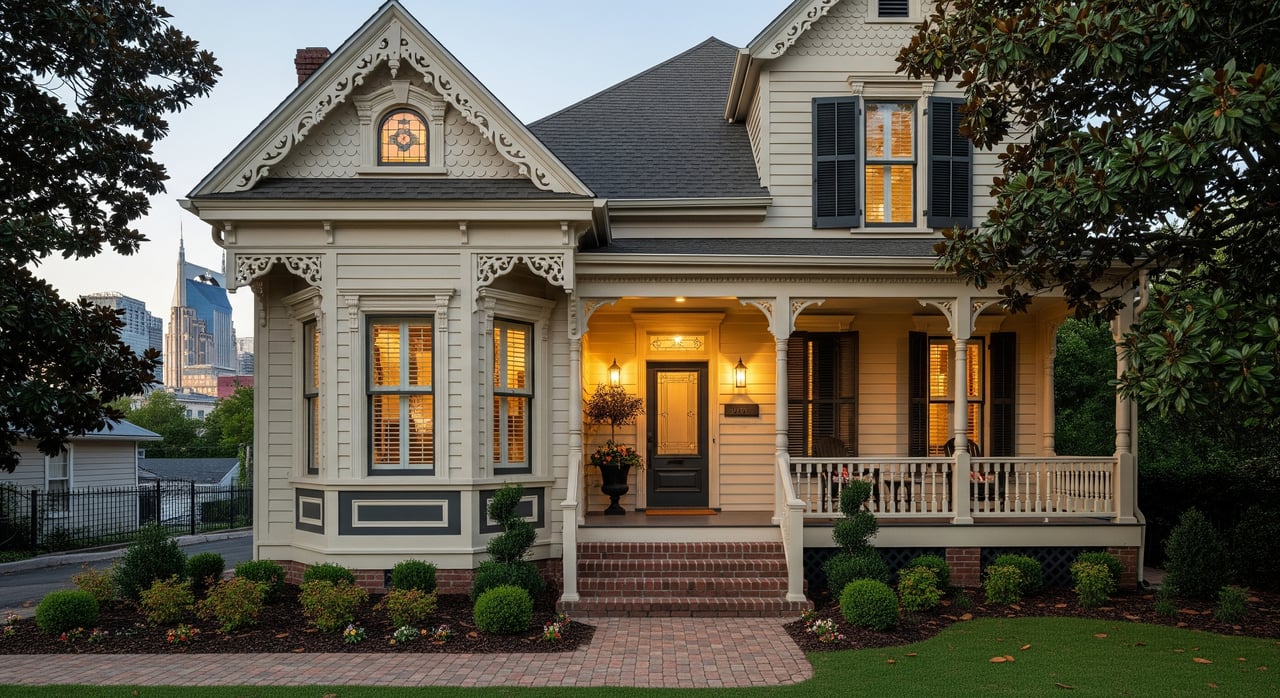
Is your East Nashville bungalow bursting with original charm, but you are not sure how to price it? You are not alone. Historic homes attract passionate buyers, yet they also come with unique variables that standard comps do not capture. In this guide, you will learn the factors that move price in East Nashville, how appraisals treat historic character, what to prepare before you list, and smart strategies to market a one-of-a-kind property. Let’s dive in.
Understand what “historic” means here
What counts as a historic home
In East Nashville, a home may be considered historic for a few reasons:
- It is an individually designated local landmark through Metro’s process.
- It sits within a local historic overlay or historic zoning district that requires design review.
- It is listed on the National Register of Historic Places or identified by the Tennessee Historical Commission.
- It is simply older and architecturally notable, such as a Victorian, Craftsman, shotgun, or Colonial Revival, even without formal designation.
Each path to “historic” status influences pricing differently. Formal designation and overlay rules affect what exterior changes you can make, the permitting process, and how buyers think about future projects. A home that is just older with great details still sells the story of character, but it usually does not face the same design review steps.
Why designation matters for price
Being in a local historic overlay often reassures buyers who want protected neighborhood character. At the same time, design review can extend timelines and add cost for exterior work. That mix can narrow the buyer pool or increase demand depending on the audience. The bottom line: designation does not automatically increase or decrease value. It alters how buyers perceive risk, control, and long-term neighborhood stability.
What drives price in East Nashville
Location and neighborhood context
In East Nashville, micro-location matters. Proximity to commercial corridors, parks, transit, and daily amenities is a key driver. A tree-lined block inside a recognized historic district can push pricing upward because buyers value continuity of streetscape and walkability. Always compare to sales on the closest, most similar blocks before looking outside the area.
Condition, intactness, and authenticity
Historic fabric is a premium feature when it is well preserved. Original woodwork, mantels, windows, flooring, transoms, and porches often draw higher offers when they are intact and in good repair. In contrast, incompatible replacements or poorly executed additions can dampen enthusiasm. Buyers price in the cost to restore or correct insensitive alterations.
Size, layout, and usable square footage
Many East Nashville homes predate modern open plans. Smaller rooms or pass-through bedrooms can work for some buyers but not all. Finished basements and attics vary in usability, and buyers analyze price per square foot with layout in mind. A charming plan can sell fast, yet functional issues still show up in offers and appraisals.
Systems and mechanicals
The age and condition of HVAC, plumbing, and electrical systems can influence both insurability and lender approvals. Old wiring types, undersized electric service, or dated plumbing often trigger repairs or price adjustments. Upgrades that respect historic character while improving performance help stabilize value and reduce renegotiations later.
Lot size and development potential
Larger lots and the possibility to expand, add an ADU, or build out a rear addition can lift value. Local zoning and overlay rules may limit what is feasible, especially for exterior changes that affect the street view. Buyers will pay more when there is clear, realistic potential for future space, not just theoretical plans.
Historic overlays and regulatory constraints
Exterior changes inside overlays typically go through the Metro Nashville Historic Zoning design review. That introduces timelines and documentation that some buyers welcome and others avoid. For sellers, the best strategy is to be transparent about what has been approved before, what guidelines apply, and what kind of work will likely require review.
Market demand and buyer profile
East Nashville attracts buyers who love character and walkability. Move-in-ready homes with authentic details often command premiums, while renovation-ready properties draw buyers who want to customize. Investors, creatives, and professionals are common segments, each with different risk tolerance and time horizons. Your pricing should speak to the most likely buyer for your home.
Taxes and incentives
The federal historic rehabilitation tax credit is generally 20 percent of qualified rehabilitation expenses for certified rehabs of income-producing historic properties. State-level incentives vary and depend on eligibility and program status. Significant renovations can also lead to property tax reassessment, which affects long-term carrying costs.
How appraisers value historic homes
The main approaches
- Sales Comparison Approach. This is the primary method for most residential appraisals. The challenge is finding true comparables with similar age, style, and levels of preservation inside the same neighborhood or district.
- Cost Approach. Useful for unique properties or when restoration costs are a known factor. It estimates replacement cost minus depreciation plus land value.
- Income Approach. Relevant when the property includes or will include income-producing units, such as a rental or duplex conversion.
Common appraisal hurdles
Historic homes often have limited direct comps, so appraisers may use sales with different ages or styles and make larger adjustments. Functional differences, like smaller kitchens or low electric service, can be counted as obsolescence. Designation itself does not guarantee a value bump, but it can narrow the comp pool and introduce uncertainty about permitted changes. Appraisal shortfalls are not unusual when a home’s appeal is driven by subjective features.
How you can support the appraisal
Prepare a feature packet that makes the appraiser’s job easier and your value clearer. Include:
- Recent, relevant neighborhood sales with notes on condition and historic features.
- Documentation of upgrades, permits, and contractor invoices.
- An inventory of original elements with photos.
- Pre-listing inspection reports and cost-to-cure estimates for known issues.
- Any historic designation paperwork or district guidelines.
Pricing strategy for sellers
Move-in-ready and authentic
If your home is restored with intact original details and thoughtful updates, price at or slightly above neighborhood medians for similar blocks. Support the ask with a clear list of preserved features and recent sympathetic upgrades. High-quality photography and a compelling property story help justify a premium.
Renovated with incongruous changes
If prior work added modern elements that feel out of place, price with today’s buyer preferences in mind. Some buyers will pay more for function than for strict authenticity, while others will see a discount for incompatible alterations. Position the listing to the most likely audience and showcase where the design still shines.
Rehab or as-is opportunities
For homes that need work, price competitively and remove uncertainty wherever possible. Provide contractor estimates and a realistic scope so buyers can see the path forward. Consider offer windows or strategic list pricing to attract multiple bids, especially if renovation financing is common in your area.
Use a tiered pricing rationale
Anchor your price to the best available comps, then show line-item logic for premiums or discounts. Examples include documented system upgrades, permitted additions, restored windows, or needed foundation and drainage work. This structure helps buyers and appraisers understand how you arrived at your number.
Marketing that sells the story
- Emphasize provenance. Share the year built, past owners of note when appropriate, and any known preservation efforts.
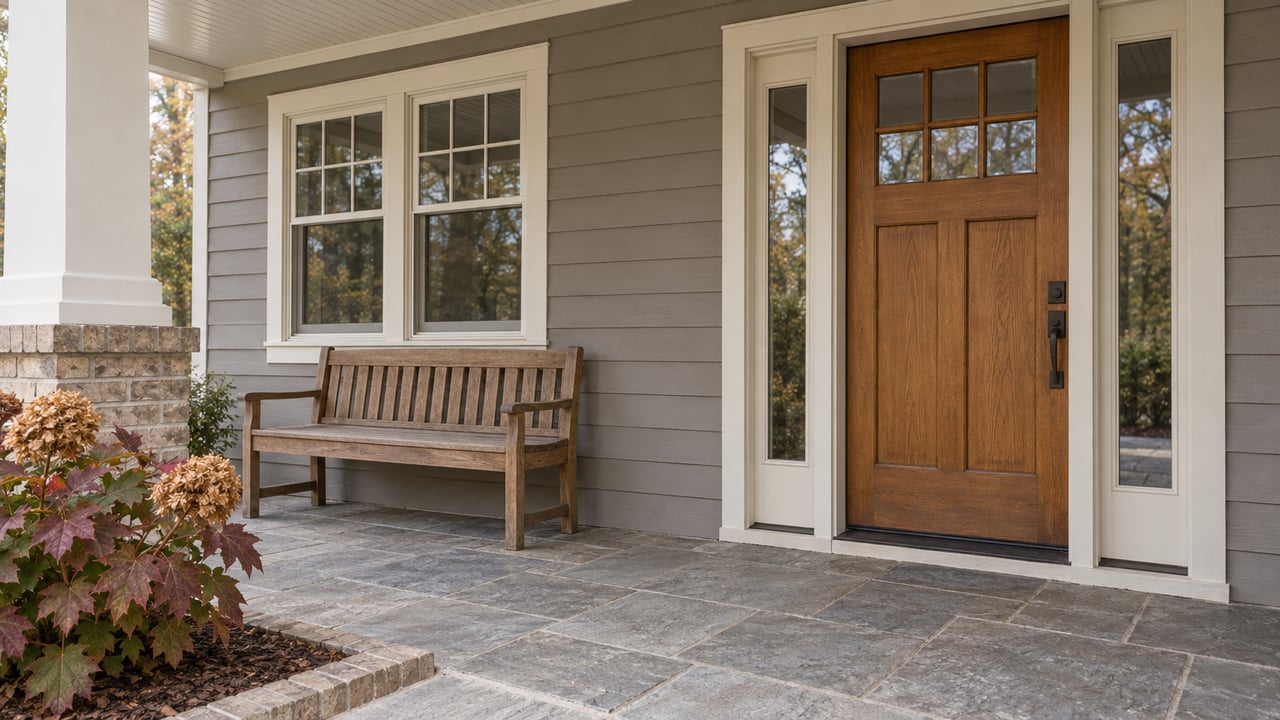
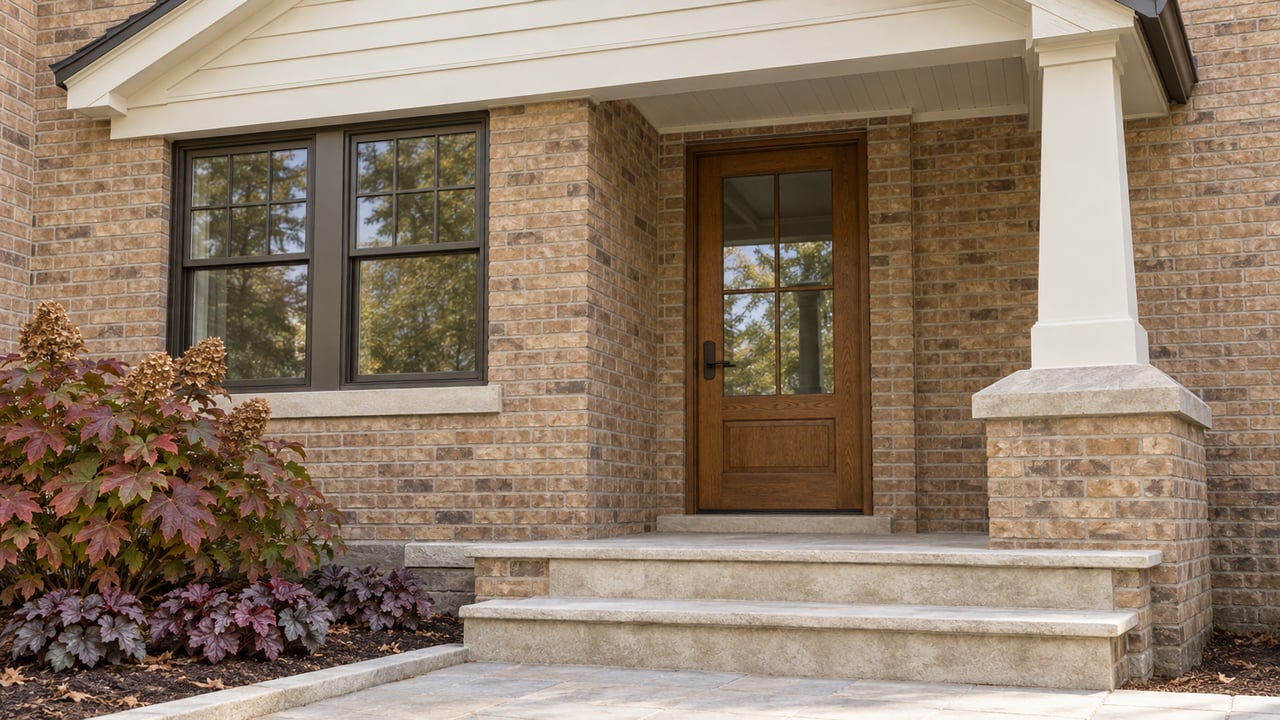
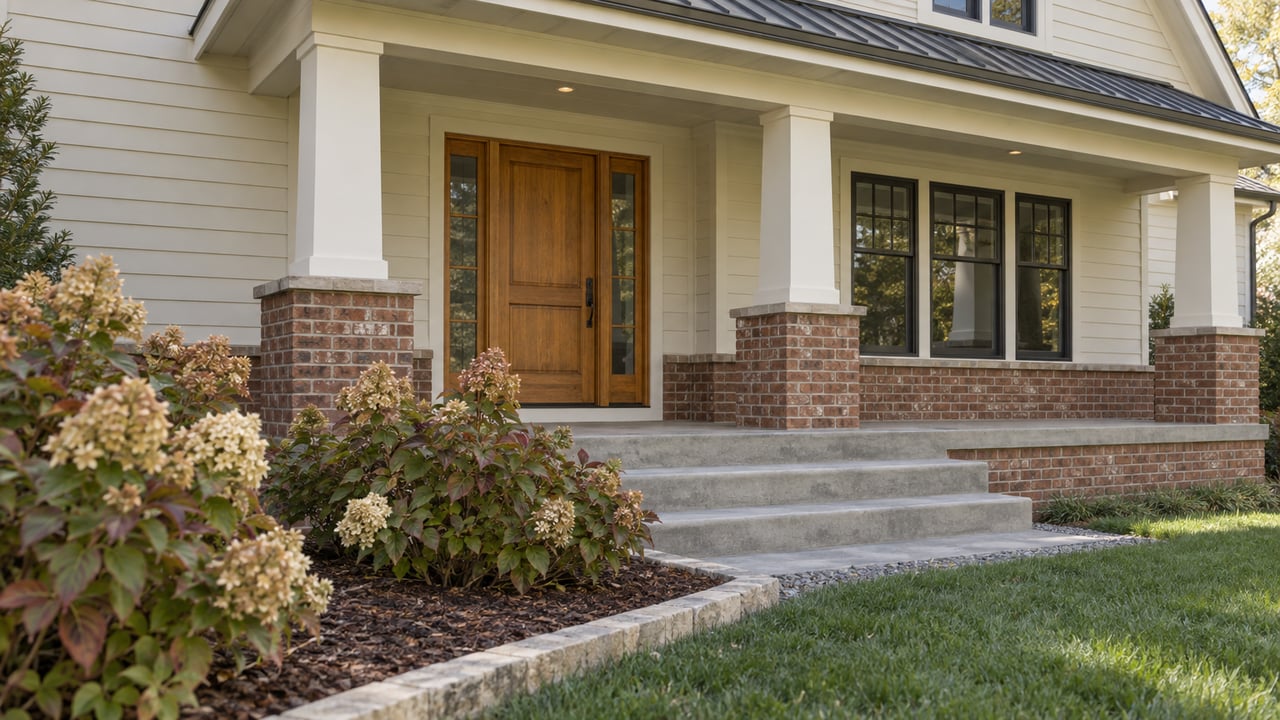
- Highlight original details. Photograph mantels, trim, staircases, doors, transoms, and porches with care.
- Show the improvements. Explain what was updated, when, and how it respects the home’s character.
- Provide a renovation timeline. A clear sequence of permitted work builds trust.
- Stage for scale. Use furnishings that fit historic room sizes to help buyers visualize livability.
- Leverage premium presentation. With concierge-style resources, you can level up pre-list work, photography, and listing distribution to meet the moment.
Inspections, financing, and insurance
Inspections that matter
Historic homes can hide issues that surface late in escrow if you do not get ahead of them. Consider specialized inspections for structure and foundation, roof, termite and pests, electrical, plumbing, HVAC, and moisture management. For pre-1978 homes, follow lead paint disclosure rules and consider testing. Where indicated, look into asbestos surveys and appropriate remediation guidance.
Financing paths to know
Conventional loans are common for historic homes, subject to standard appraisal and condition requirements. FHA and VA programs have minimum property standards, so issues like unsafe wiring or roof leaks may need repair before closing. Renovation loans such as FHA 203(k) and Fannie Mae HomeStyle can roll rehab costs into the mortgage. If you plan major work, choose a lender familiar with historic rehab and local preservation rules.
Insurance considerations
Older systems and materials can impact coverage and premiums. Some carriers limit policies for homes with certain electrical or plumbing conditions. Specialized endorsements may be needed to account for historic materials or custom millwork. Talk with your insurer early so you can set accurate expectations on operating costs.
Permits, design review, and timing
In local historic overlays, exterior changes usually require design review through the Metro Nashville Historic Zoning process. That step can add time and documentation to your schedule. Interior work typically proceeds under standard building codes unless it affects exterior appearance or structural elements tied to historic review. If unpermitted work exists, expect it to affect pricing and lender approval until resolved.
Preparation checklist before you price
Gather these items to shorten time to market and strengthen your list price:
- Proof of historic designation or district status, plus any design-review guidelines.
- Past permits and inspection reports for renovations.
- Contractor estimates for deferred maintenance and restoration items.
- Recent comps from the same district or micro-area, with notes on condition and historic features.
- Utility bills, insurance documents, and property tax history.
- Photos that document original elements and any alterations.
- A pre-listing inspection and termite report.
For East Nashville buyers: how to value charm
- Compare character apples to apples. Look at sales of similar style, age, and condition on the closest blocks.
- Price in the cost to cure. Adjust your offer for roof, foundation, drainage, mechanicals, and window restoration.
- Plan your financing early. If you expect to renovate, get pre-approved for a renovation loan product and confirm the lender’s comfort with historic properties.
- Understand overlay rules. If the home is in a historic district, learn what changes are typically approved and how the process works.
When to lean on a local team
Pricing a historic East Nashville home is part science and part storytelling. You need comps, yes, but you also need to translate condition, authenticity, and regulatory context into a number the market will embrace. The right partner will prepare your appraisal packet, coordinate pre-list inspections, position the listing to the right buyer segment, and use premium tools to maximize exposure. If you want concierge-level prep, private listing options, and a calm guide through each decision, we are here to help.
Ready to price with confidence? Reach out to Christian Wilson for a local market analysis and a tailored plan for your historic home.
FAQs
What qualifies as a historic home in East Nashville?
- A home may be a local landmark, sit inside a local historic overlay, be listed on the National Register, or simply be an older house with notable architecture and character.
Does a historic overlay automatically raise or lower value?
- No. Overlays provide design review that some buyers value for neighborhood stability, while others see added time and cost. The effect depends on your buyer pool and the home’s condition.
How can I estimate renovation costs on a fixer?
- Get contractor estimates for major systems and envelope issues, plus a pre-listing inspection. Buyers will price in roof, foundation, mechanical, and moisture remediation costs.
Can I use FHA 203(k) to renovate a historic home here?
- Often yes, if the property and scope meet program standards. Work with a lender experienced in renovation loans and confirm any preservation requirements that could affect your plans.
Will original windows hurt my appraisal or insurance?
- Original windows can be a value add if in good repair. If they are deteriorated, appraisers and insurers may flag condition or energy performance, which can influence pricing and coverage.
Do federal tax credits help owner-occupied historic homes?
- The federal 20 percent historic rehabilitation credit primarily applies to income-producing historic properties. Confirm current eligibility and any state-level options before planning around credits.
How do I avoid an appraisal shortfall on a restored bungalow?
- Provide an appraiser packet with neighborhood comps, permits, invoices, photos of original features, and inspection reports. Clear documentation helps justify your price and reduce risk.