Thinking about moving to Mt. Juliet? You are not alone. This fast-growing city east of Nashville draws plenty of attention from buyers who want more housing options, a suburban setting, and practical access to major job centers. If you are trying to figure out what the housing mix looks like and what the daily commute may actually feel like, this guide will help you sort through the big questions before you make a move. Let’s dive in.
Why Mt. Juliet Gets Attention
Mt. Juliet has grown quickly over the past decade, and that growth shows up in both its housing stock and daily traffic patterns. According to city materials, Mt. Juliet added 16,618 residents between 2010 and 2024, and the city ranks among Tennessee’s fastest-growing communities.
That kind of growth matters when you are relocating. It usually means more subdivisions, more retail, more apartment communities, and more road improvements happening at the same time. In Mt. Juliet, that is exactly the pattern city planning documents describe.
What the Housing Market Looks Like
If you are coming from another part of Middle Tennessee or from out of state, Mt. Juliet’s housing market may feel more suburban and more owner-focused than some closer-in Nashville neighborhoods. The U.S. Census Bureau’s 2020 to 2024 estimates show 16,952 total housing units in the city, with a 72.1% owner-occupied rate.
That owner-occupied share helps explain the feel of many parts of town. In practical terms, you will find a market built largely around people putting down roots rather than an area dominated by short-term rental or high-density urban housing.
The Census estimate places the median value of owner-occupied homes at $460,100. More recent market data from Zillow and Redfin, as summarized in the research, suggests current values are now in the mid-$500,000s. That gap is a useful reminder that Mt. Juliet has been moving fast, and older benchmark data may not fully reflect where prices sit today.
Common Home Types in Mt. Juliet
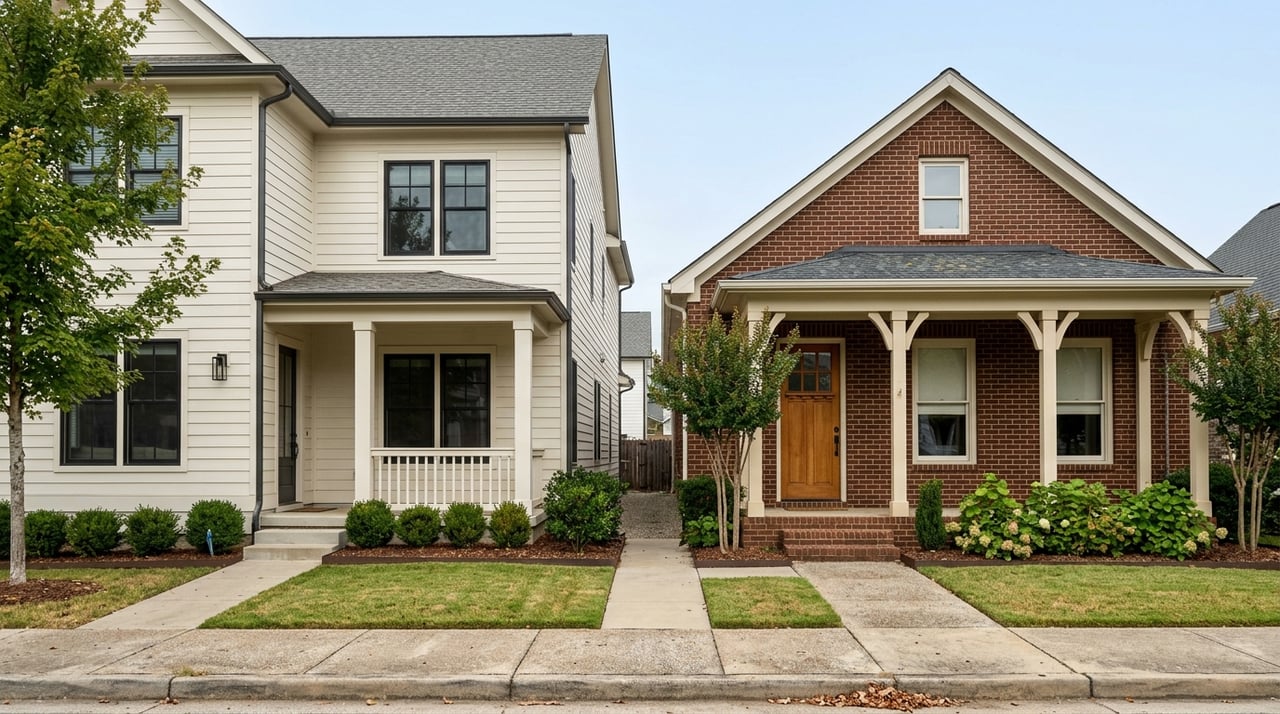
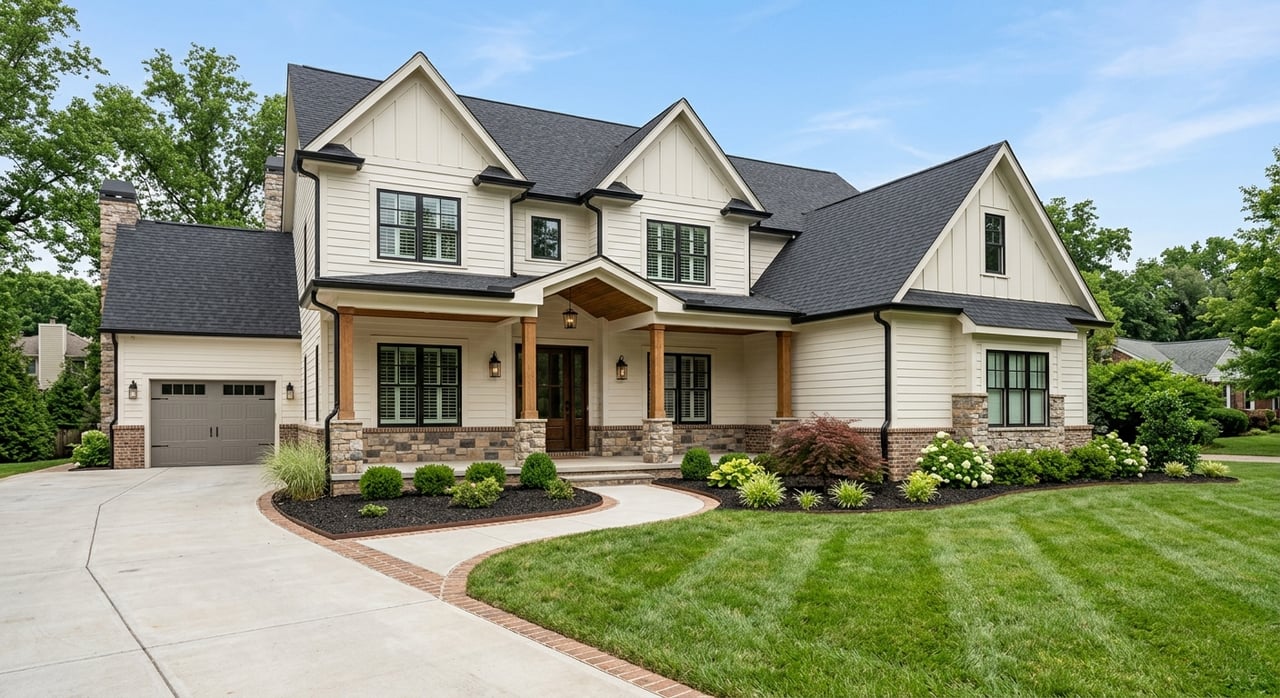
Mt. Juliet is still mostly a single-family home market. The city’s planning study found that 82.4% of housing units are detached single-family homes, while 13.5% are multifamily and 4.1% are mobile homes.
For many relocating buyers, that is a big part of the appeal. If you want a more traditional suburban layout with detached homes, driveways, and neighborhood streets, Mt. Juliet offers a lot of that housing pattern.
At the same time, the city is not one-note. The current subdivision map shows a range of housing choices, including larger subdivisions, townhome communities, apartment communities, and active-adult living options.
Housing Options You May See
As you explore Mt. Juliet, you may come across communities such as:
- Jackson Hills
- Walton’s Grove
- Stonehollow
- Del Webb
- Hickory Hills
- Nichols Vale Townhomes
- Hickory Station Townhomes
- Market Place Townhomes
- Apartment communities like Aventura, Bexley Mt. Juliet, and Meridian
The big takeaway is simple: Mt. Juliet is still dominated by detached homes, but it now offers more variety than many buyers expect. That can be helpful if you are deciding between a larger home, a lower-maintenance townhome, or a rental while you learn the area.
What Price Ranges Feel Like
City quality-of-life materials describe housing in Mt. Juliet as ranging from roughly $300,000 to $1 million and up. That should be treated as a broad citywide snapshot, not a precise guide for every neighborhood or property type.
Still, it gives you a useful starting point. Mt. Juliet appears to offer a wider spread than some buyers assume, from entry-level options in certain segments to higher-end homes and lake-oriented living.
If you are relocating, this range can work in your favor. It means your search can stay flexible while you weigh commute needs, home size, and the kind of neighborhood layout that fits your routine.
How the Commute to Nashville Works
For many buyers, the biggest question is not just home price. It is what everyday life will feel like once work, errands, and school-year schedules kick in.
Mt. Juliet sits along the I-40 and I-840 corridor, which gives it strong regional access. It also means your daily commute can depend heavily on traffic flow, construction, and exactly where in town you live.
The city’s official commute map places Nashville in the 30 to 45 minute morning commute band from Mt. Juliet City Hall. Brentwood, Franklin, and Murfreesboro fall into the 45 to 60 minute band. The city also notes that these are estimates only and do not account for traffic or construction.
That last point matters. If you are relocating for work, you should think of Mt. Juliet commute times as a range, not a fixed promise. A route that works well one day may feel very different during peak traffic or active road projects.
Road Traffic and Construction Matter
Mt. Juliet’s transportation story is closely tied to roadway conditions. Local transportation materials highlight I-40 and Central Pike as a high-priority intersection, with additional work around Golden Bear and Division Street.
For you, that means commute planning should go beyond mapping mileage alone. It helps to test routes at the time of day you expect to travel, especially if you will be driving into Nashville or to other nearby employment hubs.
A home that looks perfect on paper can feel very different if the road pattern does not match your daily rhythm. This is one of the most important details to factor into your relocation plan.
The WeGo Star Option
If you work downtown or want an alternative to driving every day, Mt. Juliet has a real commuter rail option. The WeGo Star serves Mt. Juliet Station at 22 East Division Street and includes about 255 parking spaces.
The train runs on weekdays with morning and afternoon service to Riverfront Station in downtown Nashville. That makes it a practical choice for some regular commuters, especially if your schedule lines up with the available departures.
The key thing to know is that this is not a full-day transit network. It can be a strong fit for a standard downtown work routine, but it is less flexible than driving if your schedule changes often or your destination is outside the rail corridor.
Access to the Airport and Nearby Hubs
Mt. Juliet can also make sense if your work or travel routine centers on the airport. The city says Nashville International Airport is about a 10 to 15 minute commute, and the community profile lists BNA at 13 miles from Mt. Juliet.
That is a meaningful advantage for frequent flyers, airline-related workers, or anyone who wants easier airport access without living in the urban core. Depending on your priorities, that convenience can be a major quality-of-life win.
Mt. Juliet Is More Than a Bedroom Community
It is easy to think of Mt. Juliet only as a place people sleep and then drive out of each morning. In reality, the local economy is broader than that.
The county profile identifies services, retail trade, manufacturing, and transportation and utilities as major employment sectors. The city also notes that Providence Marketplace is the largest shopping complex between Nashville and Knoxville.
That tells you something important about everyday life here. Mt. Juliet supports a lot of local errands, shopping, and service-based routines, which can reduce how often you need to leave town for the basics.
What Daily Life May Feel Like
City materials describe Mt. Juliet as combining a small-town feel with fast growth. In practical terms, that often translates to a car-first lifestyle, subdivision-oriented housing patterns, and a growing mix of retail, road infrastructure, and local amenities.
For many relocating buyers, that balance is the draw. You may get more built-in convenience than you expect, along with a housing stock that leans suburban and a commute profile that still keeps Nashville within reach.
If you are looking for a walk-everywhere urban setup, Mt. Juliet may not be the best fit. If you want a place with detached homes, neighborhood variety, rail access for some commuters, and strong access to shopping and the airport, it deserves a serious look.
How to Evaluate Mt. Juliet Before You Move
Before you choose a home in Mt. Juliet, focus on the factors that will affect your day-to-day life the most:
- Your work destination and schedule
- Whether you plan to drive or use the WeGo Star
- How much home and yard space you want
- Whether a detached home, townhome, apartment, or active-adult community fits best
- Your comfort level with a fast-growing area that may include ongoing road work and new development
- How important nearby shopping, airport access, and in-town errands are to your routine
A relocation move is easier when you match the property not just to your budget, but to your actual weekly rhythm. That is where local guidance can make a big difference.
Bottom Line on Relocating to Mt. Juliet
Mt. Juliet offers a housing mix that still centers on detached single-family homes, with growing options in townhomes, apartments, and active-adult living. It also offers realistic access to Nashville, airport convenience, and a stronger local retail base than many suburbs can claim.
The tradeoff is that your commute will depend heavily on roads, timing, and construction conditions. If you are considering a move, the smartest approach is to evaluate both the house and the drive with equal care.
If you want help narrowing down the right part of Mt. Juliet for your budget, commute, and lifestyle goals, Christian Wilson can help you make a confident move with local insight and a high-touch approach.
FAQs
What is the housing mix like in Mt. Juliet, Tennessee?
- Mt. Juliet is primarily made up of detached single-family homes, which account for 82.4% of housing units, with smaller shares of multifamily and mobile homes.
What is the typical home price range in Mt. Juliet, Tennessee?
- City materials describe a broad housing range from roughly $300,000 to $1 million and up, while the research notes recent market values in the mid-$500,000s.
What is the commute from Mt. Juliet to Nashville like?
- The city’s official commute map estimates a 30 to 45 minute morning commute to Nashville from Mt. Juliet City Hall, not including traffic or construction.
Is there a train from Mt. Juliet to downtown Nashville?
- Yes, the WeGo Star serves Mt. Juliet Station on weekdays with morning and afternoon service to Riverfront Station in downtown Nashville.
How close is Mt. Juliet to Nashville International Airport?
- City materials say Nashville International Airport is about a 10 to 15 minute commute from Mt. Juliet, and the community profile lists it at 13 miles away.
Is Mt. Juliet only for Nashville commuters?
- No. Research shows Mt. Juliet also has local employment in services, retail, manufacturing, and transportation and utilities, plus a major shopping hub at Providence Marketplace.