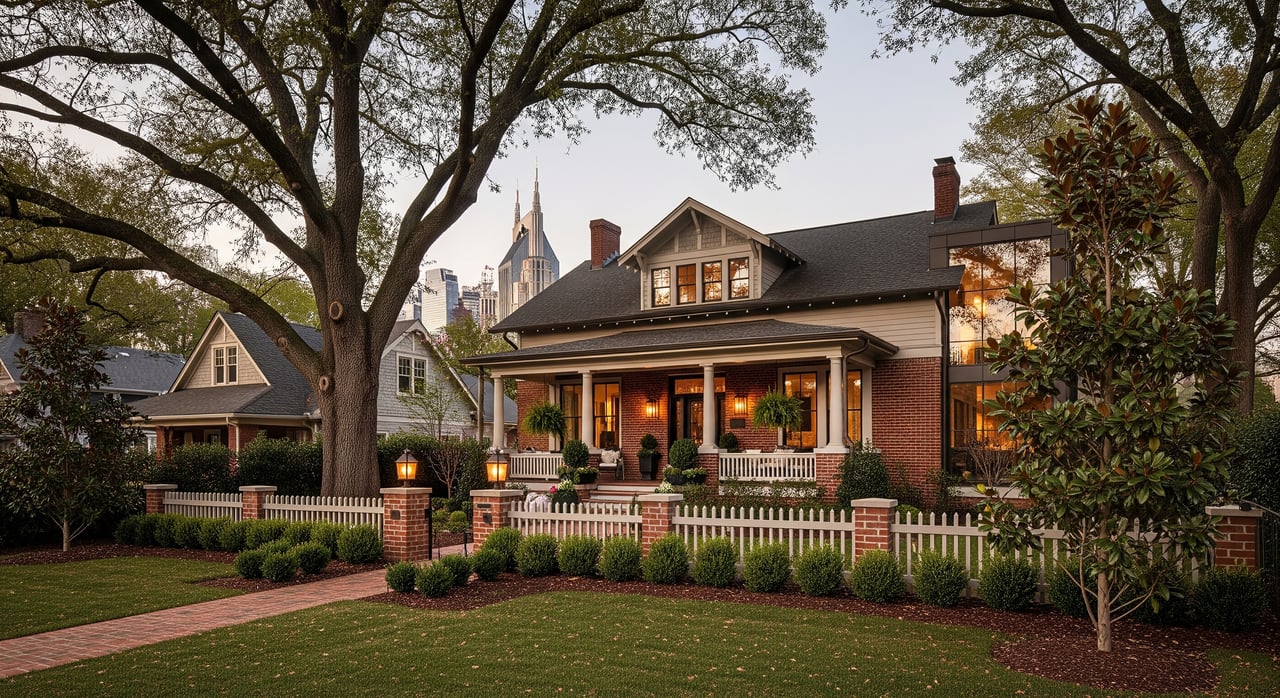
What if your everyday looked like quiet, tree-lined streets, classic porches, and a five-minute hop to riverfront trails? If you’re weighing Nashville’s east side, Inglewood gives you that easygoing rhythm while keeping downtown within reach. You want a clear picture before you commit. In this guide, you’ll learn how Inglewood feels, what homes look like, how you’ll get around, and how it compares to East Nashville’s busier hubs. Let’s dive in.
Where Inglewood sits
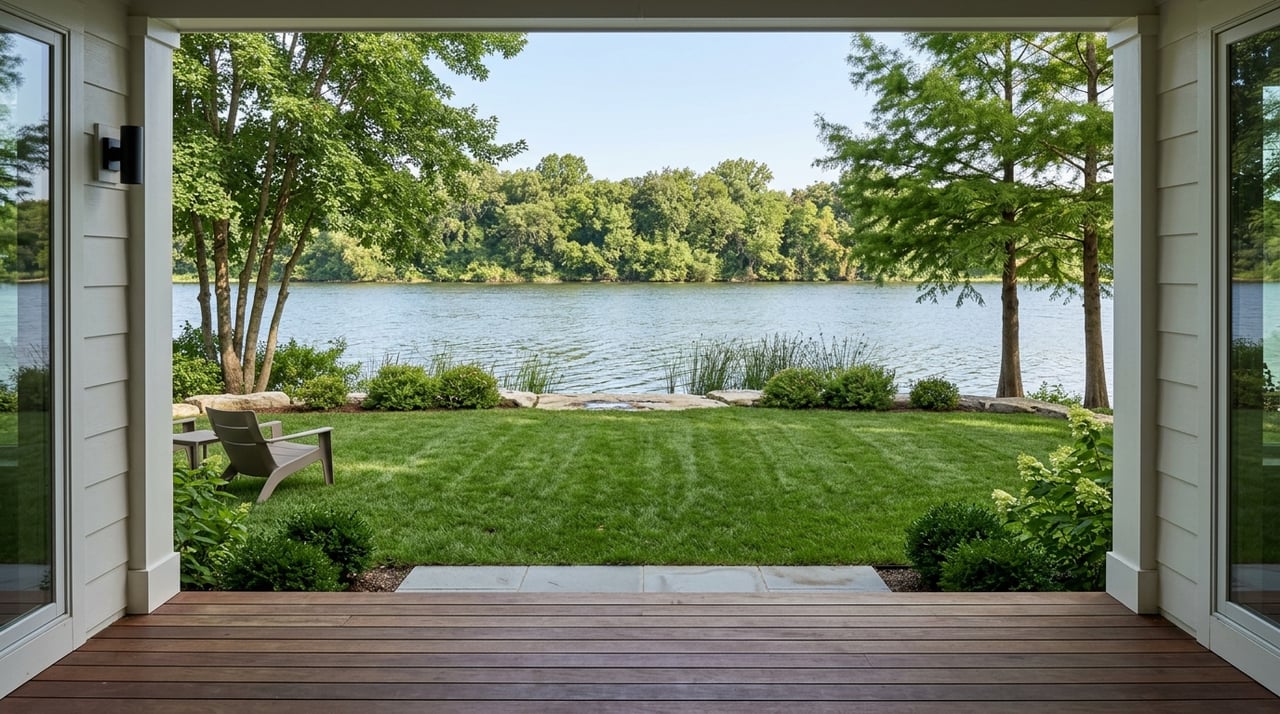
Inglewood is an inner-ring neighborhood in east-central Davidson County, just a few miles from downtown Nashville. It sits near the Cumberland River with quick access to Shelby Park and the greenway network. The area is compact and primarily residential, with major corridors nearby for easy trips to other east-side neighborhoods and the central business district. Locals often group Inglewood with East Nashville, but it is a distinct neighborhood with its own blocks and identity.
The day-to-day vibe
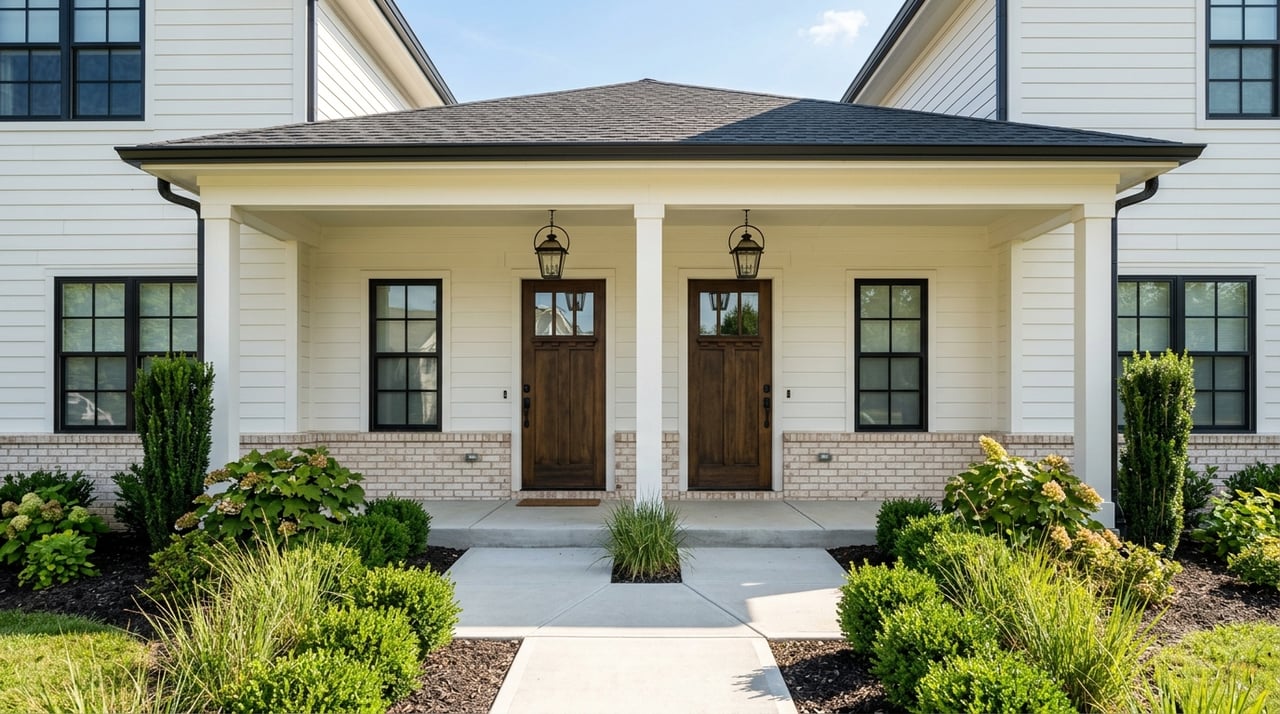
You can expect a quieter, residential feel with mature trees and modest yards. The streetscape blends older homes with pockets of newer infill, giving many blocks a classic, porch-forward look. Compared with the lively restaurant and nightlife clusters around 5 Points and Lockeland Springs, daily life in Inglewood is more low-key. Many residents spend weekends on the greenway, at the park, or exploring nearby dining a short drive away.
Homes and architecture
Inglewood is dominated by single-family homes, including early to mid-20th-century bungalows and cottages. You will also find mid-century ranch houses and a growing number of new-construction infill homes on subdivided lots. Certain streets retain larger historic lots, while others have seen smaller-lot development. Duplexes and small multi-family conversions exist in limited pockets, but single-family remains the norm.
Renovation and infill
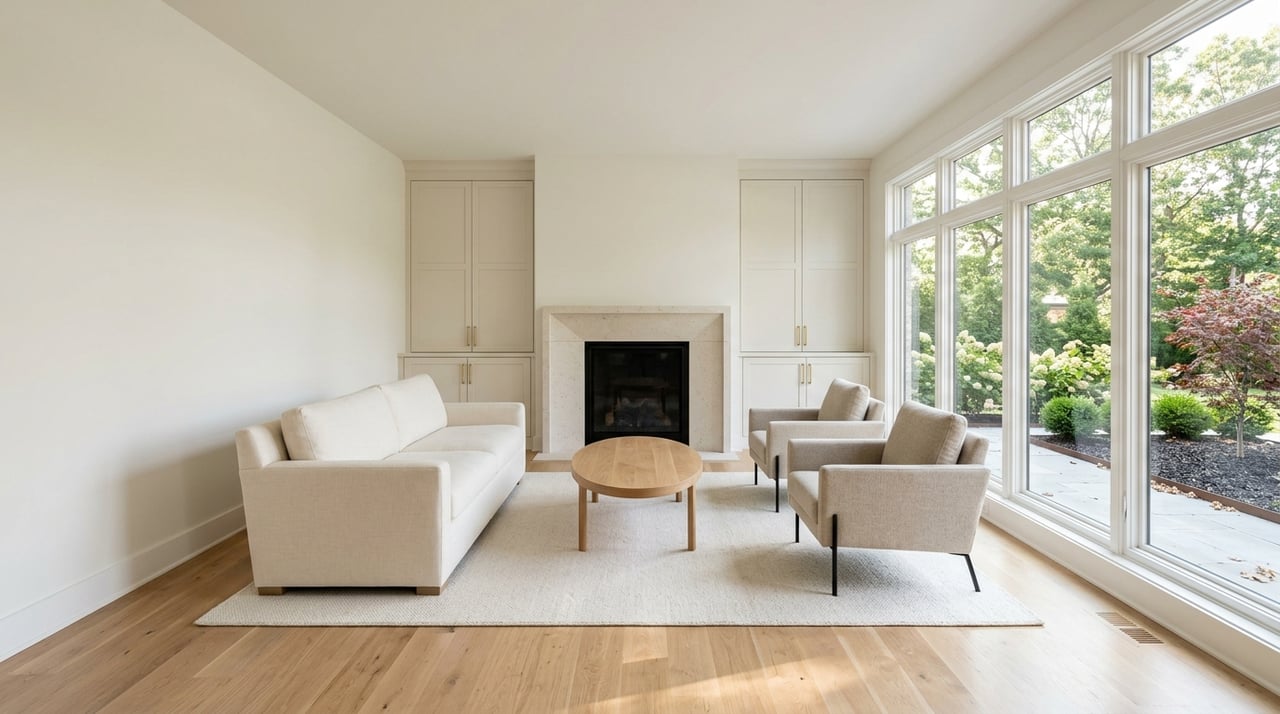
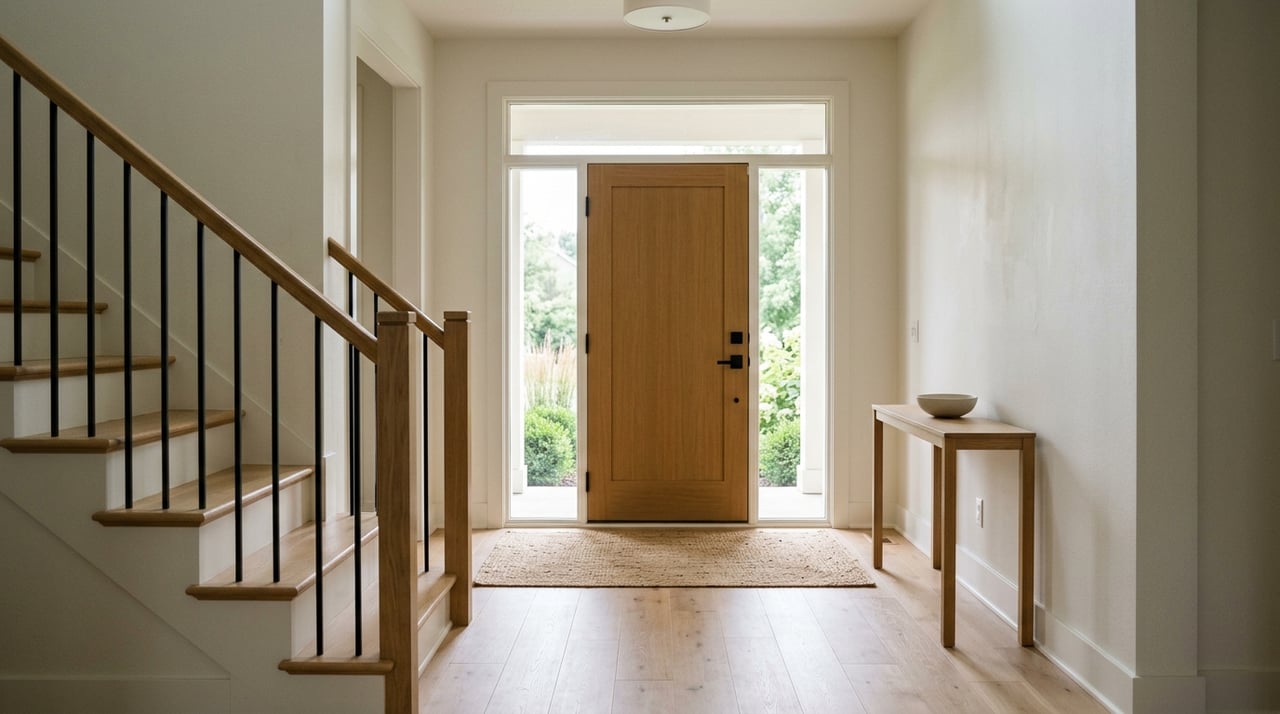
Like many close-in Nashville neighborhoods, Inglewood has seen steady renovation of older homes. New-build infill reflects demand for central, single-family living. The style and scale of these homes vary by block. Local zoning rules and neighborhood overlays guide what is allowed, from lot splits to building forms.
What this means when you buy
- Review lot size, setbacks, and any overlay guidelines before you write an offer.
- Check how nearby streets have handled infill if you care about consistent scale and tree canopy.
- Compare renovated homes to new construction to gauge value, energy efficiency, and maintenance needs.
- If you plan an addition, confirm feasibility with Metro Nashville Planning and related departments.
Pricing and market context
Home values in Inglewood have risen along with Nashville overall. Prices vary based on condition, lot size, and proximity to parks and river access. Renovated homes and new builds often command premiums, while homes needing updates may offer entry points for buyers willing to do work. To understand today’s numbers, request a current snapshot that includes median sale price, price per square foot, days on market, and inventory trends from recent 3 to 6 month data.
If you want a deeper look, ask for comparable sales that show the range between renovated bungalows, mid-century ranches, and newer infill on similar lots. You can also track new-construction pricing to understand replacement cost, then compare it to renovated resale options.
Getting around
Driving to downtown is typically short in off-peak hours, often under 15 to 20 minutes. Peak traffic can extend those times, so it helps to test your commute at your usual departure hour. Bus routes run on major streets nearby, which gives you moderate transit access. Many residents prefer to drive or bike, using the greenway network for recreation and occasional trips.
Walkability varies by block. Some streets sit closer to parks or small retail clusters, while many daily errands still happen by car. If walkability matters to you, tour the blocks you like at different times of day and note sidewalk quality, crossings, and lighting.
Parks and outdoors
Shelby Park and Shelby Bottoms are major lifestyle anchors for Inglewood residents. You get broad green spaces, river views, and miles of walking and biking trails along the greenway. There are dog areas, play fields, and natural areas that work for casual strolls or longer rides. If easy access to the outdoors is a priority, living near these amenities is a tangible quality-of-life boost.
Groceries and errands
Inglewood’s core is largely residential, so most residents drive a short distance for groceries, pharmacies, and everyday retail. Larger medical services and retail hubs are accessible along nearby corridors and downtown. The upside is a quiet neighborhood setting. The tradeoff is planning short trips for errands.
Schools and education
Public school assignments follow Metro Nashville Public Schools boundary maps and can change over time. Always confirm current elementary, middle, and high school zoning directly with MNPS before you buy. There are also private and charter options in nearby neighborhoods. Review school performance through official state report cards or parent-oriented platforms, and contact schools directly about enrollment policies.
Safety and peace of mind
Safety can vary by block. To understand current conditions, review recent crime maps and reports from Metro Nashville Police Department using a rolling 12-month window. Keep in mind that small sample sizes can exaggerate trends. Many residents also consider lighting, traffic speeds, and pedestrian comfort when they evaluate a street.
Inglewood vs East Nashville
- Vibe and scale: Popular East Nashville pockets like 5 Points are cultural and nightlife hubs with concentrated restaurants and bars. Inglewood is quieter and more residential, with easy access to green space and a low-key daily rhythm.
- Housing and affordability: Both areas have seen renovation and infill. Some East Nashville hotspots command higher prices due to walkable dining and entertainment nodes. Inglewood often offers single-family homes with yard space at competitive price points, though renovated and new-build homes here also sell at a premium.
- Commute and connectivity: Both offer short commutes to downtown. East Nashville’s commercial centers can be more walkable for daily dining and retail. Inglewood relies more on nearby corridors for errands, which often means a car or bike for day-to-day trips.
- Best fit: Choose Inglewood if you want tree-lined streets, yard space, and park access while staying close to town. Choose East Nashville’s busier nodes if you want restaurants and nightlife within a short walk of home.
Who loves Inglewood
You may be drawn to Inglewood if you want a home with character and room to breathe. Buyers who value porches, trees, and proximity to the greenway often feel at home here. Investors who focus on single-family assets with renovation potential also take interest. If you want a calm base near the action, Inglewood fits that brief.
How to explore
- Tour at different times: Visit on a weekday morning, evening rush, and weekend afternoon to feel the true rhythm.
- Test your commute: Drive your typical route during peak and off-peak to compare times.
- Walk and bike the greenway: Start at Shelby Park or a nearby trailhead to see how easy access feels.
- Check zoning and overlays: Confirm lot splits, setbacks, and allowable building forms for any property you consider.
- Verify school zoning: Use MNPS maps to confirm current assignments and ask schools about enrollment details.
- Get a data snapshot: Request recent comparables, median price, days on market, and inventory to understand momentum.
Ready to start your search
If Inglewood sounds like your speed, get a clear plan for tours, comps, and next steps. Whether you are relocating, buying your first home, or selling and trading up, you can get help with private and coming-soon opportunities, polished listing prep, and a smooth end-to-end process. Reach out to Christian Wilson for a friendly, data-backed strategy tailored to your goals.
FAQs
How long is the commute from Inglewood to downtown Nashville
- Off-peak drives are often under 15 to 20 minutes, while peak traffic can extend travel times; test your route at your usual departure hour.
What types of homes are common in Inglewood
- You will see early to mid-20th-century bungalows and cottages, mid-century ranch houses, and newer infill single-family homes on a mix of lot sizes.
Is Inglewood walkable for errands and daily life
- Walkability varies by block; many residents rely on short drives for groceries and errands, while the greenway network supports walking and biking for recreation.
How does Inglewood compare to East Nashville hubs like 5 Points
- Inglewood is quieter and more residential, with tree-lined streets and park access; 5 Points and nearby pockets offer concentrated dining, bars, and higher visitor activity.
Which schools serve Inglewood and how do I verify
- School assignments follow Metro Nashville Public Schools boundary maps and can change; confirm current zoning and contact schools for enrollment details.
What should I know about safety in Inglewood
- Safety is block-specific; review Metro Nashville Police Department crime maps using a rolling 12-month window and consider lighting, traffic speeds, and pedestrian conditions.
What are current price trends in Inglewood
- Prices have risen with Nashville overall; request a recent 3 to 6 month snapshot for median price, price per square foot, days on market, inventory, and comparable sales.