Are you torn between a walkable neighborhood near Providence and the elbow room of a 1+ acre lot? You’re not alone. If you’ve zeroed in on Mount Juliet, your next big decision is choosing the setting that truly fits your day-to-day life. In this guide, you’ll learn how subdivisions and rural properties compare on utilities, HOAs, lot sizes, commutes, and upkeep, plus a simple checklist to use at showings. Let’s dive in.
City vs. county: why it matters
Mount Juliet includes both city parcels and nearby unincorporated Wilson County. Whether a property sits inside city limits affects utilities, permitting, and sometimes taxes. You can confirm a property’s status using the city’s Official Map of City Limits and parcel resources. Check the boundary and parcel details on the city’s Official Map of City Limits and the GIS Department tools.
The city’s Public Works Department manages water and sewer in serviced areas and maintains sewer infrastructure. Before you fall in love with a listing, verify whether it has public sewer, sidewalks, and other local infrastructure. Start with the city’s Public Works Department and the GIS Department for sewer/water status and flood layers.
Subdivisions: what to expect
Streets, parks, and access
Master-planned neighborhoods around the Providence area typically include curbed streets, sidewalks, and pocket parks. Many are designed with quick drives to shopping, groceries, and medical services. Sidewalks and trail connections make it easy to walk the dog, meet neighbors, and enjoy local green spaces.
Lot sizes and home types
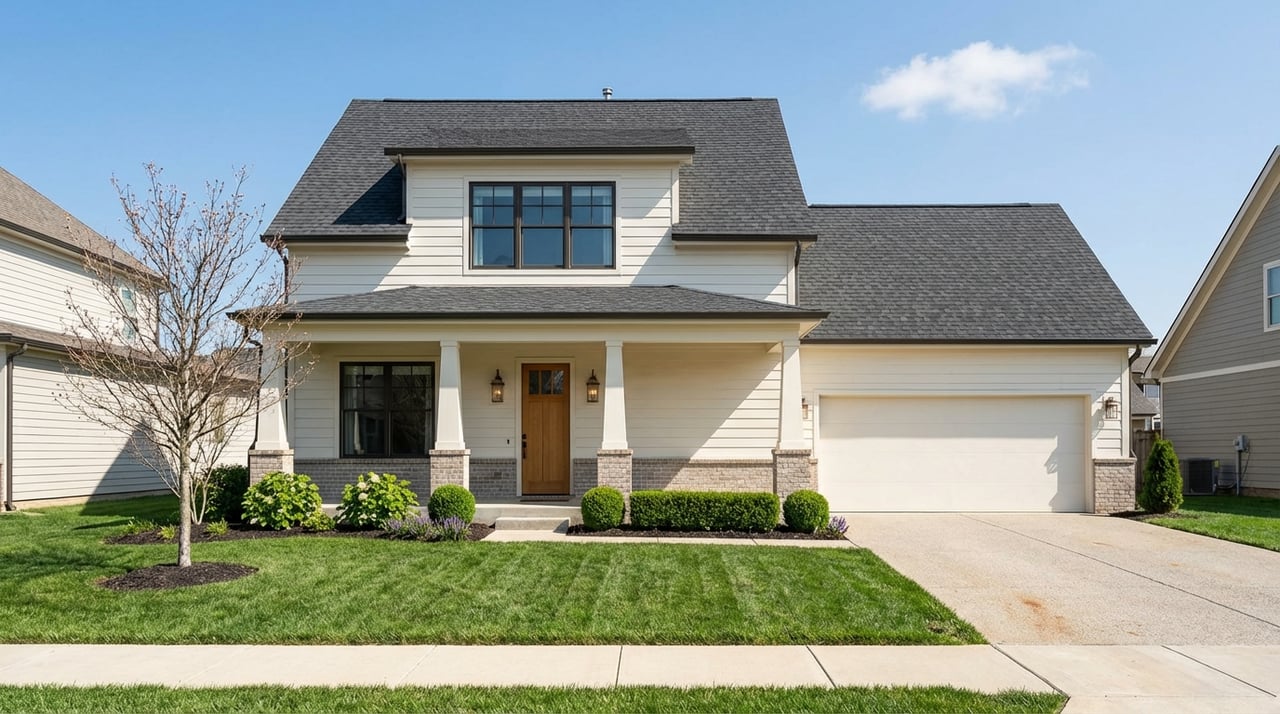
Most newer single-family lots in Mount Juliet’s subdivisions range roughly from 6,000 to 10,000 square feet, often about 0.16 to 0.18 acres. You’ll see a mix of single-family homes, some townhomes, and dedicated 55+ sections in certain communities. Yards feel more compact than rural lots, which helps reduce mowing time and keeps maintenance manageable.
HOA rules and typical fees
Expect an HOA that sets exterior standards and manages shared spaces. Many master plans also have a master association for larger amenities like pools, trails, and entrance landscaping. Recent listings in the area show examples such as modest quarterly dues in some sections, $40 to $80 per month in smaller or less-amenitized neighborhoods, and higher monthly dues in 55+ communities where lawn care and robust amenities are included.
When you shop in HOA communities, request the recorded covenants and architectural guidelines early. Ask about fence rules, exterior color approvals, roofing, RV or boat parking, and policies for accessory buildings. These details help you avoid surprises later.
Rural and large-lot: what to expect
Lot sizes and utilities
In unincorporated Wilson County, many rural lots start at 1 acre and go up from there. The size often ties back to septic requirements. County subdivision regulations require on-site sewage systems to meet state and county standards and to designate both a primary and a reserve area, which influences where you can place a home, pool, or accessory building. Review the county’s rules to understand sizing and feasibility using the Wilson County Subdivision Regulations.
Utility setups vary. Some rural addresses have public water but use septic; others may use private wells. Confirm what serves the property and whether a future public sewer connection is practical or planned before you make an offer.
Roads and services
Rural properties often include longer private driveways and, in some cases, shared easements. Weather and seasons can impact access and maintenance more than in city subdivisions where local authorities handle street upkeep. Plan for driveway care, occasional gravel, and tree work in your annual maintenance budget.
Flexibility and privacy
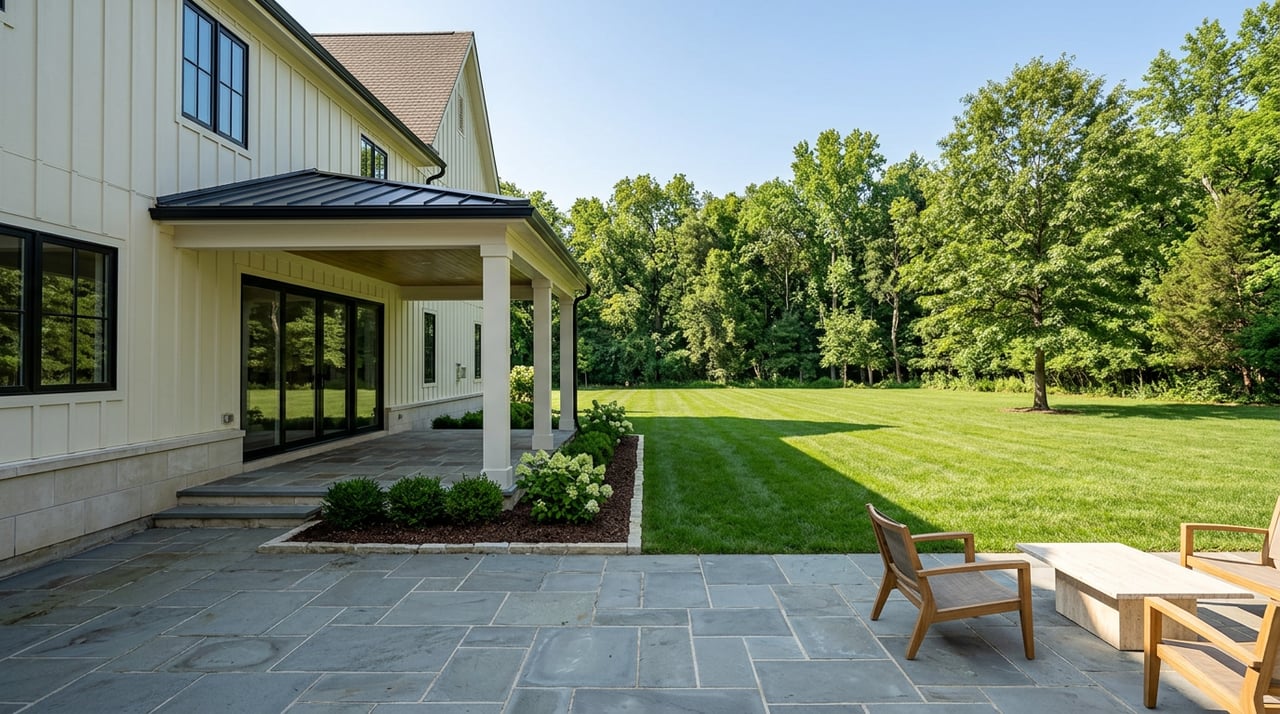
With no HOA in many rural areas, you get more freedom for outbuildings, workshops, parking boats or RVs, and small hobby uses, subject to county zoning and your septic layout. Larger lots also give wider buffers between homes, which many buyers value for privacy. If you’re considering an accessory dwelling unit or a larger shop, confirm setbacks, septic capacity, and zoning in the Wilson County Subdivision Regulations.
Commute and access: what to expect
Mount Juliet sits along the I‑40 corridor east of Nashville with a weekday commuter rail stop at Mt. Juliet Station. Typical door-to-door drives to downtown from central Mount Juliet are commonly reported in the roughly 20 to 35 minute range in light or average traffic, but your exact time depends on origin, departure time, and I‑40 conditions. Use the city’s Commute Map and run a live test during your target commute times.
If daily, time-sensitive commutes are your norm, a subdivision closer to I‑40 may save minutes each day. If you go downtown less often, the added drive from a rural address can be an easy trade for more land and flexibility.
Which setting fits your lifestyle?
- Young family prioritizing walkability and quick errands: A well-amenitized subdivision near Providence with sidewalks and parks.
- Family wanting a bigger backyard and hobby space with occasional commutes: A larger-lot subdivision on the city’s edge or a 1-acre lot closer to town roads.
- Downsizer wanting low maintenance and social programming: A 55+ neighborhood where higher dues cover amenities and lawn care.
- Hobbyist or small hobby farm plans: 1 to 5+ acres outside tight subdivisions, with zoning and septic feasibility confirmed in county rules.
What to check before you tour
Use this quick checklist to compare options and avoid surprises:
- Utilities and sewer/water: Confirm public water/public sewer versus private well/septic. If septic, request the permit, inspection history, and the mapped primary and reserve areas. Start with the Wilson County Subdivision Regulations for standards and process.
- HOA documents and costs: Ask for recorded covenants, bylaws, and recent HOA financials. Review rules for exterior changes, fencing, parking, and accessory buildings. Match the dues and rules with your lifestyle.
- Commute reality: Do a drive test during your actual AM and PM times and reference the city’s Commute Map to set expectations.
- Lot usability: Measure the truly usable yard versus total acreage. Check for slopes, floodplain, and septic reserve areas using the city’s GIS Department tools.
- Zoning and setbacks: If you plan an addition, pool, ADU, or shop, confirm county setbacks, septic capacity, and subdivision rules in the Wilson County Subdivision Regulations. For city parcels, consult Mount Juliet’s planning and Public Works Department.
- Schools: If school assignments matter in your search, confirm the address with Wilson County Schools. Boundaries can change, so rely on the city’s GIS resources and the district.
Subdivision vs. rural: quick takeaways
- Subdivisions: Shorter drives to shops and services, sidewalks and amenities, smaller yards, HOA rules and dues, and generally predictable resale appeal.
- Rural/large-lot: More land and privacy, flexibility for outbuildings and hobbies within zoning and septic limits, more personal maintenance, and usually a slightly longer drive to I‑40 and errands.
Ready to compare real homes on the ground? Let’s map your commute, line up HOA docs, and walk both options so you can feel the difference in person. Reach out to Christian Wilson to schedule a no-pressure planning call and start your Mount Juliet search with confidence.
FAQs
What are typical HOA fees in Mount Juliet subdivisions?
- Fees vary by amenities, but many local listings show examples like modest quarterly dues in some sections, $40 to $80 per month in smaller neighborhoods, and higher monthly dues in 55+ communities with extensive amenities.
How big are subdivision lots vs. rural lots in Mount Juliet?
- Subdivision lots commonly range from about 6,000 to 10,000 square feet, while rural parcels often start at 1 acre due to on-site septic requirements outlined in county regulations.
How can I check if a Mount Juliet property has public sewer?
- Use the city’s parcel and infrastructure layers through the GIS Department and confirm service with the Public Works Department before you write an offer.
What should I know about septic systems in Wilson County?
- County rules require approved primary and reserve disposal areas, which affects where you can place a home, pool, or outbuilding. Review the Wilson County Subdivision Regulations and request the septic permit and maintenance history.
How will living outside city limits affect my commute to Nashville?
- Rural addresses often add a few minutes to reach I‑40 and daily errands. Check the city’s Commute Map and run a live drive during your target times to gauge your exact door-to-door time.