Trying to choose between Historic Downtown Franklin and Cool Springs? Both are beloved, but they offer very different day-to-day rhythms. You might picture morning coffee on a walkable Main Street or quick drives to endless shopping and suburban offices. This guide gives you a clear, side-by-side look at lifestyle, commutes, homes, and practical checks so you can decide with confidence. Let’s dive in.
Snapshot: What each area offers
Downtown Franklin at a glance
- Historic character with preserved architecture and a compact, walkable core. Local design review applies in many blocks within the Historic Preservation Overlay, so exterior changes often need approval. Learn what that means for renovations on the city’s historic program page at the City of Franklin’s Historic Preservation Overlay.
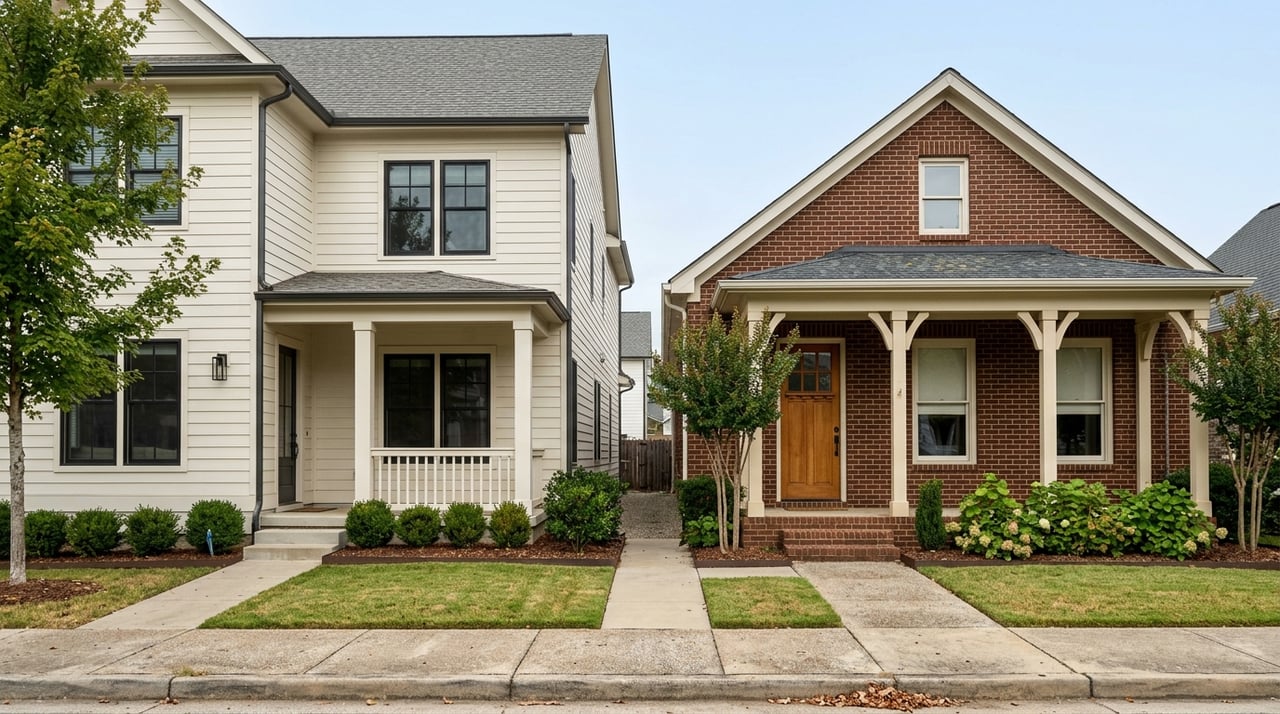
- Housing is a mix of older single-family homes, cottages, and some lofts or condos near Main Street. Lots tend to be smaller near the square.
- You can walk to restaurants, boutiques, the Franklin Theatre, and seasonal festivals.
- Many addresses fall in the Franklin Special School District for K–8, then Williamson County Schools for high school. Always verify by street address with the district.
Cool Springs at a glance
- A modern commercial and residential corridor centered on retail and offices. The CoolSprings Galleria anchors national-brand shopping and dining. See the mall overview at CoolSprings Galleria.
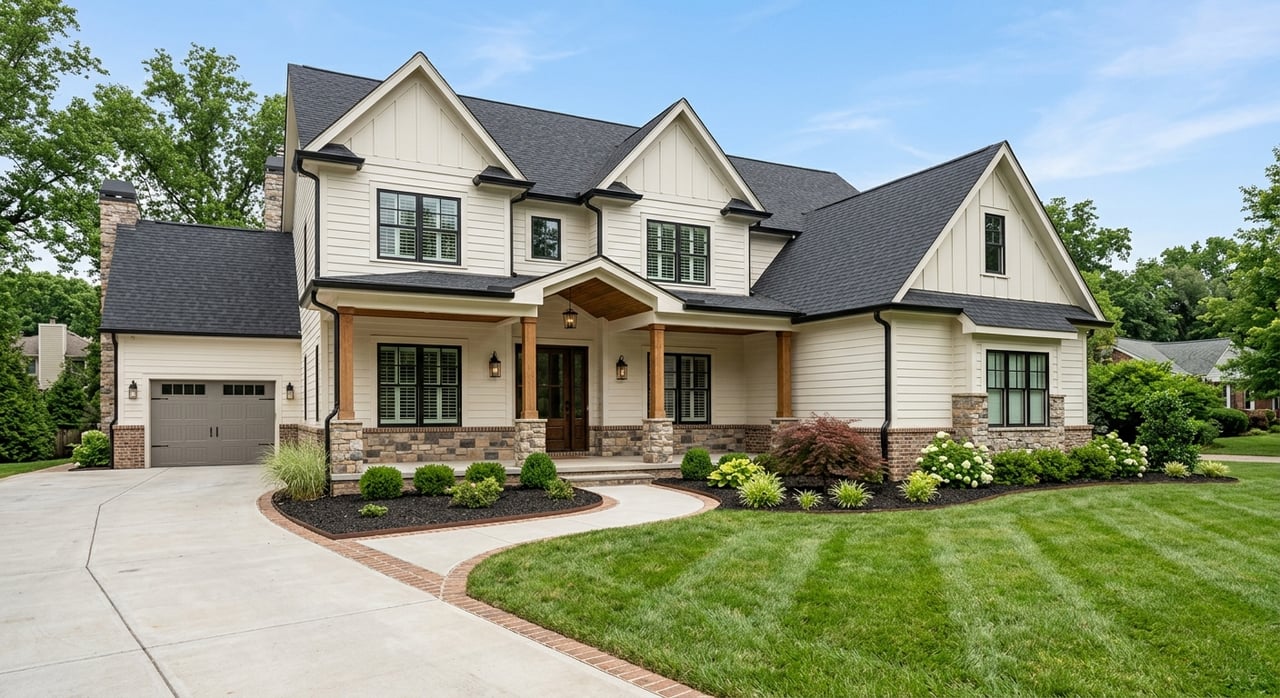
- Housing skews newer: planned subdivisions, townhomes, and larger apartment communities, many with HOA amenities.
- Most daily errands are car-based, with quick access to big-box retail and suburban offices along I-65.
- School zoning varies by address within Williamson County Schools. Confirm assignment by street.
Homes and prices at a glance
Pricing varies by micro-neighborhood, date, and the source you use, so look at ranges and always cite the timeframe.
- City of Franklin median: PropertyFocus reported a roughly $852,000 median for Franklin as of January 2026. Review the latest city trend line at PropertyFocus Franklin trends.
- Cool Springs snapshot: Rocket Homes showed a median sold price of about $799,900 in June 2025 for the Cool Springs area. See the neighborhood snapshot at Rocket Homes Cool Springs report.
Why the range? Different trackers use different boundaries and time windows, so medians can shift with inventory. Use these as guideposts, then drill down to street-level comps.
Price spectrum you might see in central Franklin and Cool Springs pockets:
- Condos and small 1-bed options near downtown or newer infill: low-to-mid $200Ks to $400Ks depending on supply.
- Townhomes and attached homes in or near Cool Springs: mid-$400Ks to $700Ks.
- Single-family homes across central Franklin: high-$600Ks to $1M+, with renovated historic or estate properties above that.
Tip: When you get serious about a home, pull the exact month’s MLS comps for the street and the surrounding blocks.
Walkability, errands, and fun
Downtown Franklin lifestyle
- Higher walkability in the immediate downtown blocks, where many addresses post Walk Scores in the 60–70s. That can make coffee runs, boutique shopping, and dinner on Main Street part of your daily rhythm.
- A steady calendar of events brings Main Street to life: think Main Street Festival, Dickens of a Christmas, and PumpkinFest. For a feel of the architecture and local scene, explore this overview on Visit Franklin.
- Parks and greenways are close to the core, including Pinkerton Park, Bicentennial Park, and Harlinsdale Farm.
Cool Springs lifestyle
- Most errands are car-based, and the corridor reads suburban. Walk Score examples for Cool Springs Boulevard land in the car-dependent range. Check a representative score at Cool Springs Blvd Walk Score.
- The upside is convenience. You are minutes from national retailers, service providers, and a wide range of restaurants.
- Proximity to major office campuses can shorten drives if you work in the corridor.
Commute and transit reality
- Distances: Cool Springs sits roughly 15 to 20 miles south of downtown Nashville, depending on your exact start point. Drive times vary with peak traffic.
- Average commute: Williamson County’s mean travel time to work sits around 27 to 28 minutes in recent Census estimates. See the county snapshot at U.S. Census QuickFacts for Williamson County.
- I-65 is the main route north to Nashville. Expect peak-period congestion, especially during rush hours. If your job is in Nashville or near the airport, do a timed test drive both ways during your typical commute window.
- In-town options: Franklin Transit operates fixed routes, an on-demand service, and special shuttles that help connect downtown with retail and job nodes. Explore routes and services at Franklin Transit.
Schools, taxes, and rules you should check
- School districts: Many historic-core downtown addresses are in the Franklin Special School District (K–8), with Williamson County Schools providing high school. Zoning is address-specific. Learn about FSSD and confirm zoning at the Franklin Special School District.
- Property taxes: Williamson County performed a countywide reappraisal in 2025, with local rate adjustments for FY26. Your final bill depends on county, city, school, and special-district components per parcel. Review current tax rates at Williamson County Property Tax Rates.
- Historic overlays: If you buy inside a local historic district, exterior changes can require a Certificate of Appropriateness and design review. Understand the process at the City of Franklin’s Historic Preservation Overlay.
Side-by-side daily living checklist
Use this quick gut-check as you tour homes:
Commute fit
- Downtown Franklin: Best for local in-town trips and community events; regional commuting to Nashville still relies on I-65.
- Cool Springs: Best for quick drives to suburban offices and retail along the corridor; regional commuting also uses I-65.
Household needs and errands
- Downtown Franklin: Walk to independent shops, local restaurants, and the Franklin Theatre.
- Cool Springs: Drive a few minutes to big-box stores, national restaurants, and services.
Home types and settings
- Downtown Franklin: Historic cottages, early 20th-century homes, and some lofts or condos near Main Street; smaller lots near the core.
- Cool Springs: Newer subdivisions, townhomes, and apartments, often with HOA amenities and cul-de-sac layouts.
Parking and yard
- Downtown Franklin: Tighter lots near the square; street parking or alley access is common in some pockets.
- Cool Springs: Garages and larger driveways are common; yard sizes vary by subdivision.
Rules and maintenance
- Downtown Franklin: Possible historic design review for exterior changes; plan ahead for approvals.
- Cool Springs: Many communities are HOA-governed with standards for maintenance and design.
Buyer due-diligence steps
Before you write an offer, run this checklist for the exact address:
- Drive your commute at peak times in both directions.
- Confirm school zoning by street address and note K–8 vs high school districts.
- Pull a sample property tax bill or estimate from county resources.
- Check whether the property is inside a local historic overlay or in an HOA.
- Look up Walk Score and note nearby daily-need stops, like groceries and coffee.
- Review Franklin Transit routes if you will use local shuttles or fixed routes.
- Ask your agent for current MLS comps for that block and housing type.
Which one sounds more like you?
Choose Downtown Franklin if you want:
- Walkable blocks, a historic streetscape, and frequent community events.
- Short local trips on foot and a lively Main Street routine.
- A home with character and you are comfortable with design-review guardrails for exterior changes.
Choose Cool Springs if you want:
- Newer construction, HOA amenities, and quick drives to retail and suburban offices.
- A car-based routine with chain retail variety within minutes.
- Easy access to I-65 for regional driving.
How we help you choose with confidence
Your move deserves both local insight and clear data. Our team pairs street-level guidance with real-time MLS comps so you can compare homes by block, not just by ZIP code. If you are renovating a historic home, we brief you on approvals. If you prefer newer builds, we help you weigh HOA standards, maintenance expectations, and commute trade-offs. For sellers, we offer premium marketing and Compass Concierge to prepare and present your home at its best; for buyers and investors, we surface private and coming-soon opportunities through Compass programs.
Ready to explore Downtown Franklin and Cool Springs side by side? Reach out to schedule a focused tour and get a tailored price and commute analysis. Connect with Christian Wilson to start your plan today.
FAQs
Is Downtown Franklin more expensive than Cool Springs?
- It depends on the pocket and the timeframe. Citywide medians have ranged in the high-$700Ks to low-$900Ks in recent snapshots, and Cool Springs micro-markets have shown medians around the $800K to $900K range in some 2024–2025 reports. Renovated historic homes near the square can command a premium per square foot, while smaller cottages or homes farther from Main Street can list lower. Always compare street-level comps for the month you buy.
What is day-to-day walkability like in each area?
- Downtown offers the most walkable blocks in Franklin, with many errands and dining options on foot. Cool Springs is primarily car-dependent, though you are very close to a wide mix of retail and services.
How are schools assigned in Downtown Franklin vs Cool Springs?
- Many downtown addresses are served by the Franklin Special School District for K–8 and feed into Williamson County Schools for high school. Cool Springs addresses are typically in Williamson County Schools. School zones are address-specific, so verify assignment by street before you buy.
What should I know about rules for renovations?
- If your downtown property sits inside a local historic overlay, exterior changes may require design review and formal approval through the City of Franklin. In Cool Springs, many subdivisions are HOA-governed with their own standards. Confirm your property’s status before planning projects.
How do commute times compare for Nashville-bound workers?
- Both areas rely on I-65 for regional commuting. Williamson County’s mean travel time hovers in the upper-20-minute range, but rush-hour trips to Nashville can run longer. Test your route at your typical peak times to set realistic expectations.
Where can I get a quick sense of prices by home type?
- As a general range, recent listings often show condos and small 1-bed options in the low-to-mid $200Ks to $400Ks, townhomes in the mid-$400Ks to $700Ks, and single-family homes from the high-$600Ks to $1M+ depending on location and updates. Your agent can pull current MLS comps for your exact block and style.