If you love the idea of walking to coffee, dinner, and local events, living near Franklin’s historic downtown can feel like a great fit. It also comes with a few practical tradeoffs that matter once you move from browsing listings to choosing the right block. This guide will help you understand what daily life near downtown Franklin really looks like, from walkability and parking to parks, housing character, and renovation rules. Let’s dive in.
Downtown Franklin at a glance
Franklin’s historic downtown is compact, recognizable, and easy to picture once you visit. The City of Franklin describes it as a 15-block historic district, while Visit Franklin describes the Main Street area as a 16-block stretch centered around Public Square and Main Street.
That small footprint is a big part of the appeal. You get a concentrated mix of historic buildings, brick sidewalks, landscaping, shops, restaurants, galleries, and services in a setting that has been central to Franklin since 1799.
The look and feel are a major draw for many buyers. Main Street is listed on the National Register of Historic Places, and the city notes Franklin has earned a Great American Main Street Award.
What daily life feels like
Living near downtown Franklin often means your routine can be more walkable and more connected to what is happening around town. On a normal weekday, you can expect a lively but manageable historic core where errands, meals, and casual outings are close together.
Visit Franklin describes Main Street as a place for wandering, which is a good way to think about everyday life here. Boutiques, home-goods stores, art galleries, coffee spots, and restaurants sit inside historic buildings, creating a setting that feels active without being spread out.
A few examples show the range. Retail stops include places like White’s Mercantile and Landmark Booksellers, while dining and coffee options include Frothy Monkey and Gray’s on Main.
The Factory at Franklin also adds to the lifestyle nearby. According to the city’s destination guide, it offers shopping, dining, art galleries, and the Franklin Farmers Market on Saturdays.
Weekdays versus event days
This is one of the biggest things to understand before you buy. On regular weekdays, the area is typically easier to navigate, and the compact layout works in your favor if you enjoy being close to local businesses and downtown activity.
During major events, the experience changes. Downtown Franklin hosts annual events like Main Street Festival in spring, Fourth of July festivities, PumpkinFest in October, the Veterans Day Parade in November, and Dickens of a Christmas in December.
These events are not small. Visit Franklin says Main Street Festival draws more than 120,000 visitors each year, and that kind of turnout naturally brings more traffic, more pedestrians, and tighter parking conditions.
If you want energy and community activity right outside your door, that may feel like part of the charm. If you value quieter weekends and easier curb access, you may prefer living a few blocks outside the busiest part of the historic core.
Walkability near the historic core
For many buyers, the biggest lifestyle advantage here is walkability. Because the downtown area is compact, many destinations are close together, especially around Public Square and Main Street.
That said, walkability depends on the day. On a typical weekday, walking downtown can be simple and enjoyable, especially for coffee, dining, browsing shops, or heading to nearby parks.
On festival weekends, the same walkable layout can feel more crowded. Streets are busier, sidewalks are fuller, and getting around by car can take more patience.
Is living right downtown worth it?
That depends on what you want your home life to feel like. If your ideal setup includes stepping out for dinner, strolling historic streets, and being close to seasonal events, living right near the center may be a strong fit.
If you like downtown access but want a little more breathing room, a home a few blocks out may offer a better balance. You can still enjoy the historic district while reducing some of the parking pressure, foot traffic, and event-day congestion that come with the closest-in locations.
Parking expectations for residents and guests
Parking is one of the most practical parts of downtown living, and it is worth understanding upfront. The City of Franklin says downtown parking is free in two city garages with 300 spaces each.
That is helpful, but it does not mean parking is unlimited right at the curb. On-street parking is limited to two-hour increments, and weekday time restrictions apply Monday through Friday.
Private paid lots also exist downtown. For residents, that means guest parking and quick stop parking may require more planning than in other parts of Franklin.
What to expect during big events
Festival weekends usually bring the most pressure. With large crowds coming into the historic core, circulation gets tighter and curb parking becomes harder to find.
If you are considering a home near downtown, it helps to think about how often you host guests, how much you rely on on-street parking, and whether being able to walk to events outweighs the extra traffic those events bring.
Parks and outdoor space nearby
One of the nice surprises about living near downtown Franklin is how easy it can be to mix historic streets with outdoor space. Several parks and greenway connections sit close to the core.
Pinkerton Park is linked to downtown by the Sue Douglas Berry Memorial pedestrian bridge. The park includes a one-mile paved pedestrian track, playgrounds, and picnic areas.
Bicentennial Park offers another nearby green space. It sits between 3rd Avenue, North Margin, and the Harpeth River, and its greenway runs through town to the Franklin Recreation Center.
If you want more room to spread out, The Park at Harlinsdale Farm adds a larger passive park option. The city says it includes 200 acres, a dog park, a 5K soft track, a pond, and open-space recreation.
Housing character near downtown Franklin
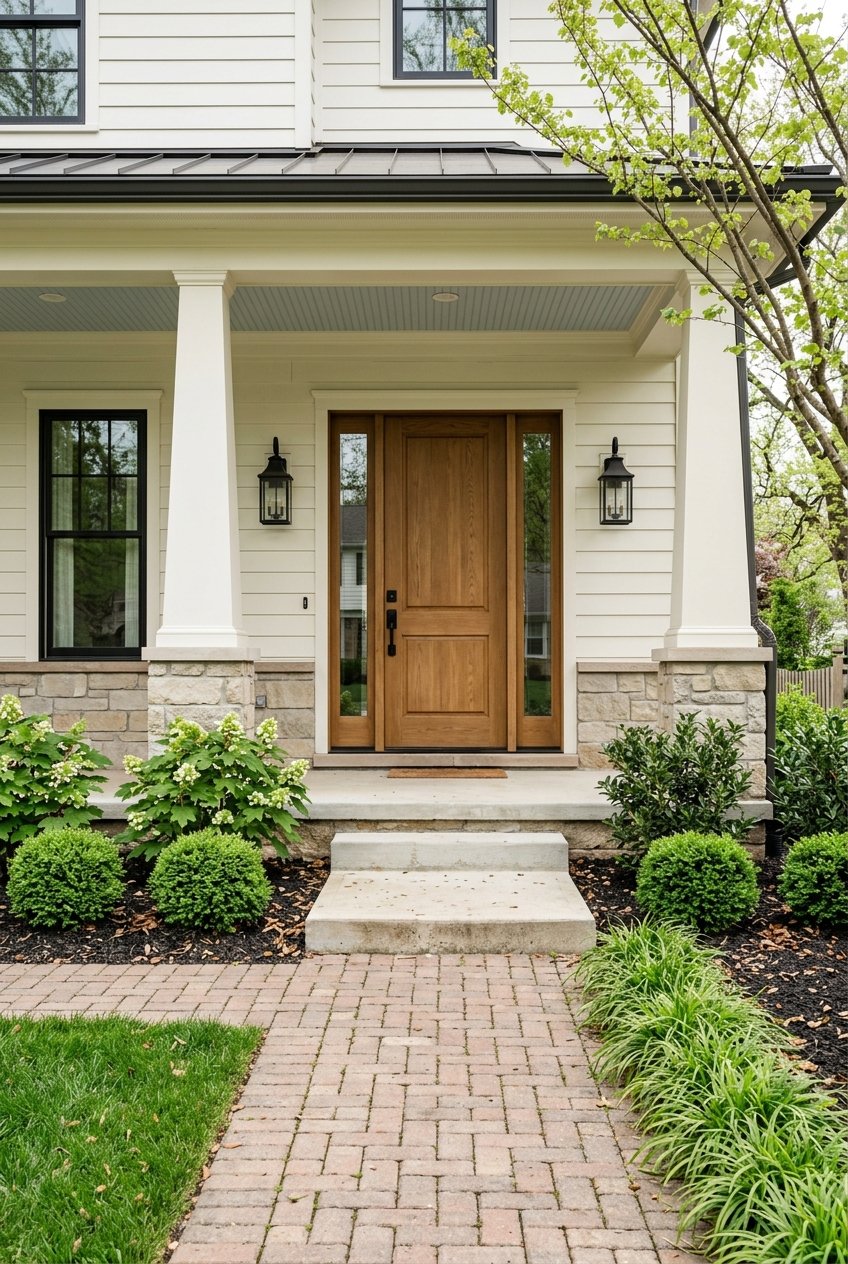
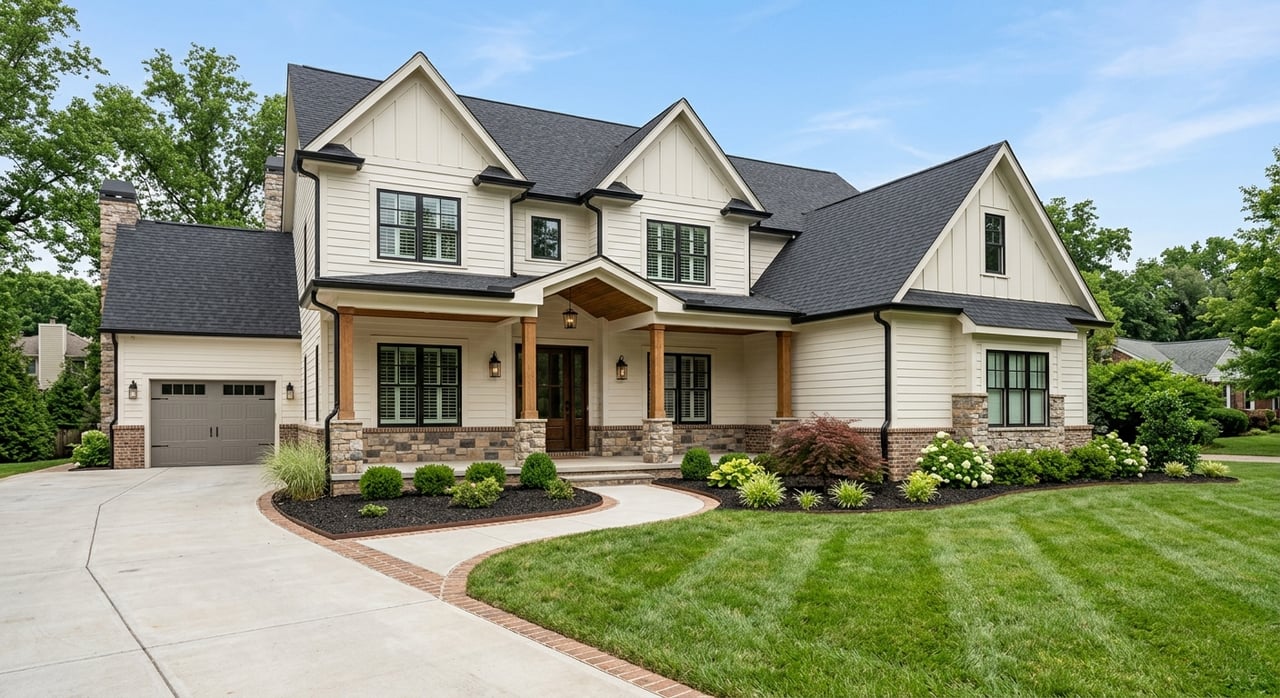
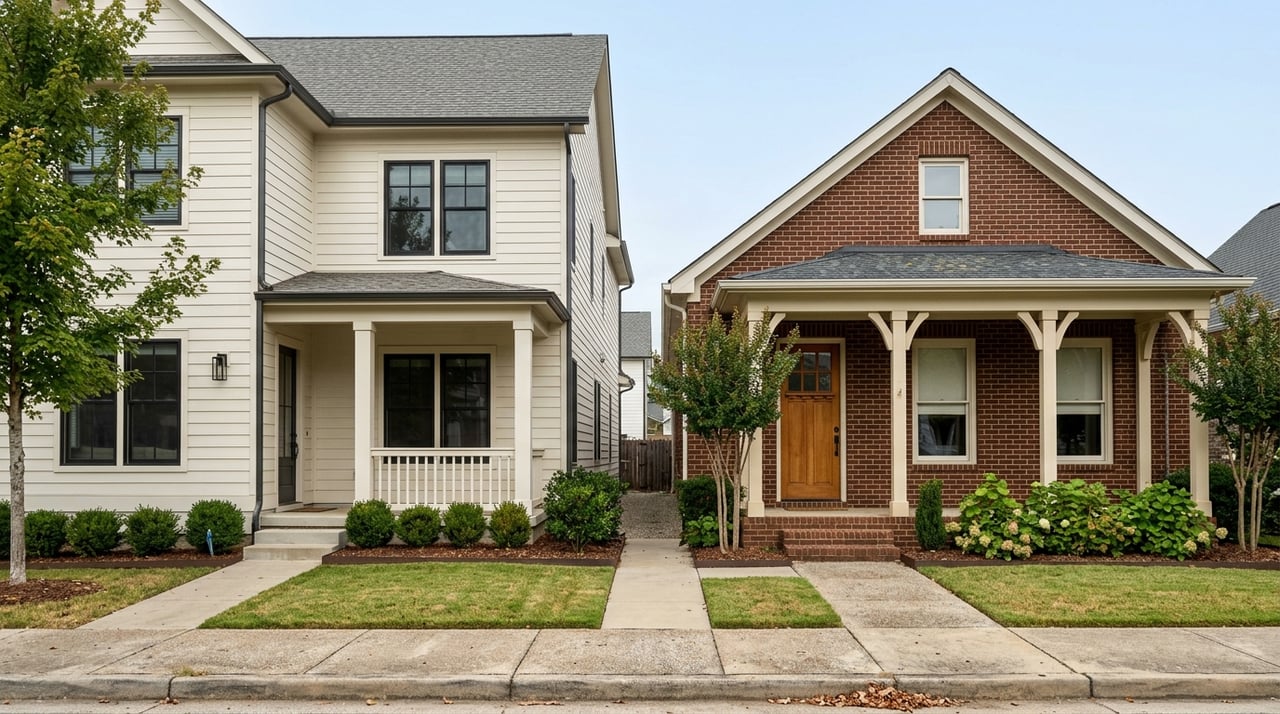
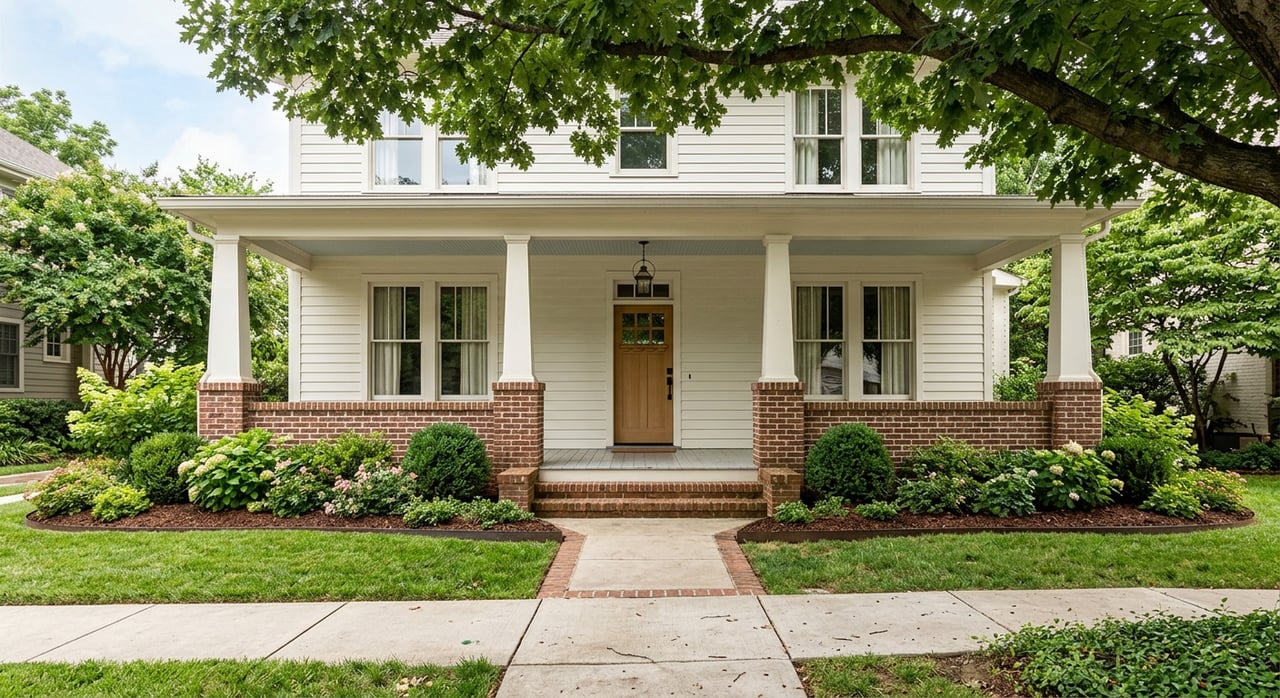
Homes near Franklin’s historic core often stand out for one reason first: character. City draft guidelines describe downtown Franklin as the city’s oldest mix of residential and commercial buildings, with many structures dating to the 19th and early 20th centuries.
Architectural influences include Federal, Greek Revival, Italianate, and Victorian styles. For buyers, that can mean more visual variety, more historic detail, and a more cohesive streetscape than you may find in newer areas.
That character is a big reason buyers are drawn here, but it also connects directly to what you can and cannot change about a property.
Renovation rules and historic preservation
If a home is within the Historic Preservation Overlay District, exterior changes may be subject to review. The City of Franklin says new construction, additions, and alterations in the overlay are reviewed to protect historic resources and maintain the city’s character.
The Historic Zoning Commission issues Certificates of Appropriateness for covered work. In practical terms, this means buyers should not assume they will have the same flexibility they might have in a non-historic area.
That does not automatically make buying here harder. It just means due diligence matters more, especially if you plan to expand, change exterior features, or take on a renovation soon after closing.
Questions to ask before you buy
If you are looking near downtown Franklin, it helps to ask:
- Is the property within the Historic Preservation Overlay District?
- Have past exterior changes already been approved?
- Are you hoping for cosmetic updates only, or a larger addition?
- How important is privacy versus walkability?
- How comfortable are you with event traffic and parking limits?
These questions can help you match the home to your actual lifestyle, not just the charm of a quick showing.
The main tradeoffs to weigh
Living near Franklin’s historic downtown offers a distinct lifestyle. You get proximity to shopping, dining, parks, community events, and one of Middle Tennessee’s most recognizable historic cores.
The tradeoff is that convenience and charm often come with more activity around you. Preservation rules can limit exterior flexibility, and major events can affect traffic flow, curb parking, and the overall pace of the area.
For some buyers, that is exactly the point. For others, the sweet spot is just outside the busiest blocks, where you can still reach downtown easily but enjoy a little more privacy and fewer event-day disruptions.
How to decide what fits you
The best choice usually comes down to your daily habits. If you picture yourself walking to coffee, browsing local shops, and joining downtown events throughout the year, being close to the historic core may feel worth the tradeoffs.
If you want access without quite as much activity, a nearby area just beyond the center may be the better move. You can still enjoy everything downtown Franklin offers while creating a little more separation between home and the busiest parts of Main Street.
If you are weighing homes near downtown Franklin and want a clear, local perspective on what fits your lifestyle, Christian Wilson can help you compare options and make a confident move.
FAQs
What is downtown Franklin like on a normal weekday?
- Downtown Franklin is typically lively but manageable on weekdays, with walkable access to shops, restaurants, galleries, and services in a compact historic core.
What is downtown Franklin like during festivals?
- During major downtown events like Main Street Festival, PumpkinFest, and Dickens of a Christmas, you should expect busier streets, more pedestrians, tighter circulation, and harder-to-find curb parking.
How much parking is available in downtown Franklin?
- The City of Franklin says downtown has two free city garages with 300 spaces each, while on-street parking is limited to two-hour increments and weekday restrictions apply Monday through Friday.
Are there parks near Franklin’s historic downtown?
- Yes. Nearby options include Pinkerton Park, Bicentennial Park, and The Park at Harlinsdale Farm, with features like trails, playgrounds, picnic areas, a dog park, and open space.
Can you renovate a home near historic downtown Franklin?
- If a property is within the Historic Preservation Overlay District, new construction, additions, and certain alterations may require review and a Certificate of Appropriateness from the Historic Zoning Commission.
Is it better to live in downtown Franklin or a few blocks away?
- Living right downtown may suit you if you want walkability and easy access to events, while living a few blocks out may offer more privacy and less event-day congestion with downtown still close by.