If you are eyeing Franklin as a place to buy an investment home, you are not alone. This market draws attention because it pairs strong demand, a well-known local identity, and steady long-term growth, but it also comes with a high entry price and rules that can shape your strategy fast. If you want to buy wisely, you need more than a quick glance at home values or rent estimates. You need a clear picture of what works in Franklin, what can complicate a deal, and how to underwrite with care. Let’s dive in.
Why Franklin Gets Investor Attention
Franklin is a high-income, owner-heavy market with an estimated 90,226 residents and 33,998 households in 2025. Census data also shows a median household income of $119,528, a median home value of $705,400, a median gross rent of $1,923, and an owner-occupied rate of 63.8%.
That combination helps explain why Franklin stays on many buyers’ radar. The city also describes its growth as steady and managed, with planning focused on preservation and fiscal responsibility. For you as an investor, that can signal a market with durable demand, but not necessarily easy cash flow.
Franklin’s housing strategy also points to a competitive market. Home prices and rents have risen rapidly, most for-sale homes spend less than 30 days on market, rental vacancy is low, and the city had 12,748 approved residential units in the pipeline in 2022.
What the Numbers Suggest
One simple way to think about Franklin is this: it is often a market where long-term value matters. Using Census medians, the home-value-to-annual-rent ratio is about 30.6x. That is a rough sign that many purchases may depend more on appreciation, tax efficiency, or a longer hold period than on strong immediate monthly cash flow.
That does not mean a property cannot perform well. It means you should be careful about assuming the numbers will work just because the city is popular. In Franklin, disciplined underwriting matters.
Property Types You Will Likely See
Franklin’s housing strategy says the most common existing and approved housing types are single-family homes, townhouse or condominium product, and apartments. So if you are searching here, your options will likely include both detached homes and attached housing, depending on your budget and goals.
Single-family homes in Franklin
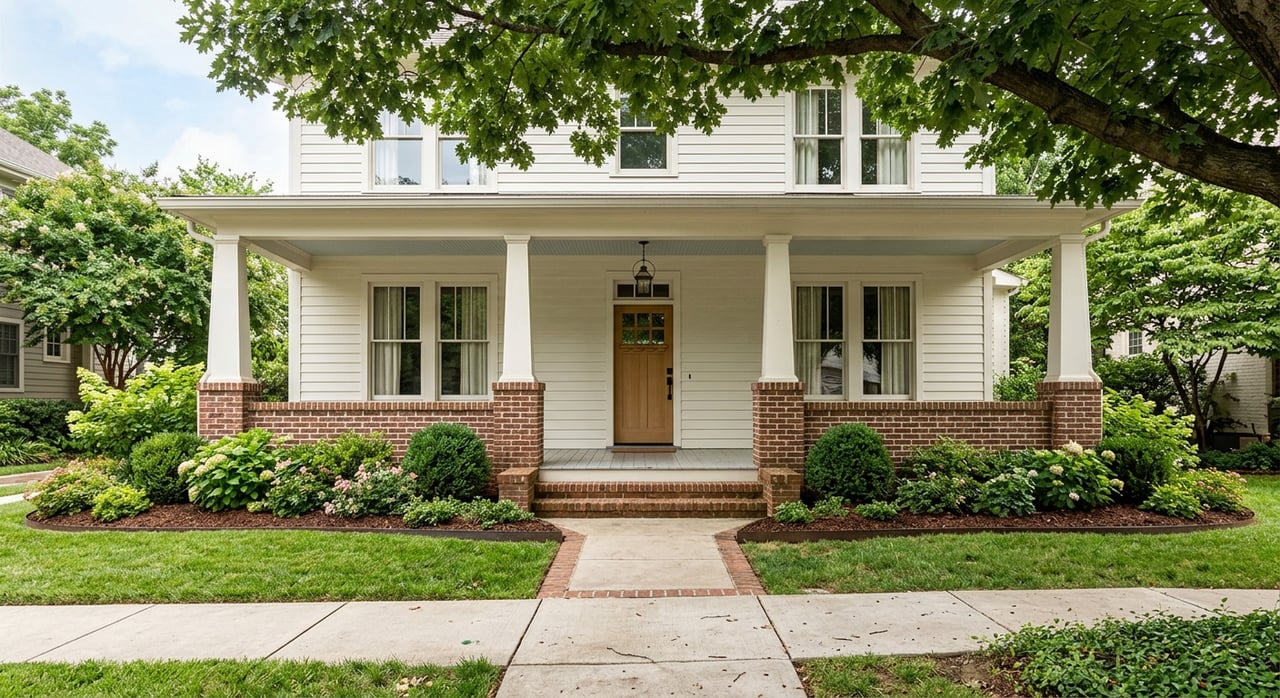
Single-family homes are a major part of the local housing stock and often appeal to buyers looking for long-term demand. In and around Downtown Franklin, the city’s Envision Franklin plan describes established residential areas with many homes that are more than 50 years old and connected to local historic districts.
Those homes can be attractive because of character and location. At the same time, the city says infill should preserve established residential character and historic buildings should be rehabilitated rather than demolished when possible. If you are considering an older home, make sure you understand the local context before you plan major changes.
Townhomes, condos, and mixed residential options
Franklin also includes areas identified as Mixed Residential, where single-family dwellings, duplexes, multiplexes, and townhouses can coexist. That matters because it opens the door to investment options beyond detached homes.
For some buyers, a newer townhome or condo may offer a simpler ownership experience. Still, these property types can come with HOA costs and less control over certain decisions. That is not a city rule, but it is a practical consideration many buyers should keep in mind.
Small multifamily is less common
If you are hoping to find lots of small multifamily opportunities, Franklin may feel limited. The city’s housing strategy notes that from 2000 to 2019, only 123 multifamily properties built were 2 to 4 units, while 51% were 20 or more units and about one-third were 5 to 19 units.
That does not mean small-scale multifamily does not exist. It does mean you may need to search more carefully, and supply may not look the same as in markets with a larger stock of duplexes and fourplexes.
Who Your Likely Tenant May Be
Franklin’s demographic profile suggests a tenant base that often includes professional households, dual-income households, and higher-income long-term renters. Census data shows that 64.5% of residents age 25 and older have a bachelor’s degree or higher.
That profile can matter when you think about location, layout, and finish level. A property that feels functional, well-kept, and easy to live in may line up better with demand than one that only looks good in photos.
Family demand can also shape rental choices. Franklin Special District serves pre-K through 8th grade in eight schools, and the district says it is consistently ranked in the top 10% of Tennessee districts for achievement. If you are marketing a rental to households with children, district boundaries and access may be part of how renters compare options.
What to Underwrite Before You Buy
In a market like Franklin, the purchase price is only the starting point. You need to build a realistic cost model before you make an offer.
A solid baseline budget should include:
- principal and interest
- property taxes
- homeowners insurance
- possible mortgage insurance
- HOA dues, if applicable
- repairs and maintenance
- vacancy or turnover costs
- an emergency fund for unexpected expenses
Franklin’s city property tax rate is $0.296 per $100 of assessed value, and the city says property taxes are billed and collected by the Williamson County Trustee. Even though the municipal rate may look modest, the higher home prices in Franklin mean taxes still need a place in your numbers.
This is one of the biggest mistakes investors can make in a premium market. If you only focus on the list price and projected rent, you can miss the true holding cost of the property.
Long-Term Rental vs Short-Term Rental
Many buyers ask whether Franklin works better for a long-term rental or a short-term rental. The answer depends on the property, the zoning, and how much operational complexity you are willing to take on.
Long-term rentals in Franklin
For many investors, long-term rentals are the simpler path from a compliance standpoint. If your goal is steadier occupancy with fewer moving parts, a traditional lease may be easier to manage.
That does not guarantee stronger returns. It simply means the regulatory burden is usually lighter than it is with a short-term vacation rental.
Short-term rental rules in Franklin
Franklin defines a short-term vacation rental as a residential dwelling unit rented in its entirety for less than 21 days, and the city requires approval before operation. The city also says requirements vary by zoning district. Some zones have no restrictions, some have added use regulations, and some do not permit short-term vacation rentals at all.
That means you should never assume a home can be used as a short-term rental just because it looks like a good candidate. Before you move forward, you need to verify the zoning map and applicable use rules.
What makes STR ownership more complex
Franklin’s short-term vacation rental checklist shows how detailed the rules can be. The rental must be for the whole home only, not room by room. Renters must be 21 or older, the owner cannot stay in the home during the rental, maximum occupancy is tied to sleeping rooms and capped at 10 people, and a local responsible party must live within 25 miles and be available 24 hours a day, 7 days a week.
The city also requires proof of $1 million in insurance, an annual business license renewal, and monthly hotel occupancy tax filings. For you, that means short-term rental ownership in Franklin may require more planning, more oversight, and more administrative follow-through than a standard lease property.
Do not assume grandfathered status transfers
If you are looking at a property that has operated as a short-term rental before, be careful. Franklin’s zoning ordinance says grandfathered short-term vacation rental rights can end when a property is sold or transferred, or after 30 continuous months of nonuse. Certain family-member transfers can preserve grandfathering, but a standard sale may not.
That is a critical point for buyers. An existing setup does not automatically mean you can continue the same use after closing.
A Practical Franklin Investment Checklist
Before you write an offer on an investment home in Franklin, slow down and confirm the basics. A clean-looking property and a strong location are not enough if the numbers or rules do not fit your plan.
Use this checklist as a starting point:
- Confirm the zoning district allows your intended use.
- Review any HOA covenants and restrictions, especially if you are considering short-term rental use.
- Estimate realistic rent and compare it to taxes, insurance, maintenance, vacancy, and financing costs.
- Match the property to the likely renter profile, whether that is a professional household, a family household, or a short-stay guest.
- For short-term rentals, confirm permit, business license, insurance, occupancy, and responsible-party requirements.
- If the home is older or in an established area, look closely at any design or preservation considerations that could affect future updates.
How to Think About Franklin as an Investor
Franklin can be a compelling place to buy if your strategy fits the market. It combines affluent demand, a stable housing base, and a city approach that emphasizes managed growth.
At the same time, this is not a market where you should expect easy wins from rough estimates. High home values, competitive conditions, and short-term rental rules all raise the importance of careful due diligence.
For many buyers, the best fit in Franklin is a long-term mindset. If you are comfortable underwriting carefully, thinking beyond immediate cash flow, and matching each property to a realistic use case, you will be in a much better position to make a smart decision.
If you are weighing Franklin investment options and want a local partner who can help you think through strategy, property fit, and the details that matter before you write an offer, reach out to Christian Wilson.
FAQs
What should buyers know about Franklin home prices for investments?
- Franklin is a high-cost market, with Census estimates showing a median home value of $705,400 in 2025. That higher entry price means you should underwrite carefully and not assume strong immediate cash flow.
What property types are common for Franklin investment buyers?
- Franklin’s housing strategy says the most common existing and approved housing types are single-family homes, townhouse or condominium product, and apartments.
What should buyers check before using a Franklin home as a short-term rental?
- You should confirm the zoning district allows the use, review any HOA restrictions, and make sure you can meet the city’s permit, insurance, occupancy, business license, and responsible-party requirements.
What are Franklin short-term rental rules buyers often miss?
- A common issue is assuming a property’s past short-term rental use carries over. Franklin says grandfathered short-term vacation rental rights can end when the property is sold or transferred.
What costs should buyers include when underwriting a Franklin investment home?
- Your budget should include mortgage costs, property taxes, homeowners insurance, possible mortgage insurance, HOA dues, repairs, maintenance, vacancy, and reserves for unexpected expenses.